

Feeding guide for dogs with early cardiac disease
With CompleteMe® Hypo Canine Plus
Make omega-3-rich, high protein therapeutic dog food at home with controlled sodium quickly and easily. Low fat options are available.
Suitable for dogs with ACVIM stage B1 or B2 myxomatous mitral valve disease, dilated cardiomyopathy, and other heart conditions. Please see our feeding guide for advanced cardiac disease if your dog has, or has had, signs of congestive heart failure.
Makes 1 kilogram of food, which can be portioned and frozen.
Ingredients
600 grams of lean raw meat (2-6% fat)
(see FAQs below for recommended meat types and cuts)
200 grams of starchy carbohydrates
(choose from: wholewheat or regular pasta, white rice, brown rice, quinoa, oats, pearled barley, potato or sweet potato. For any included grains, please weigh out the required amount after cooking)
170 grams of colourful fruit and vegetables
5 mL omega-3 rich oil (5 x 1000 mg capsules)
(choose from: fish oil, wild salmon oil, krill oil, or marine algae oil. Higher EPA+DHA per capsule preferred)
3 teaspoons of omega-6-rich oil
(choose from: hempseed oil, walnut oil, rice bran oil, pumpkin seed oil, canola oil or sesame oil)
13 grams of CompleteMe® Hypo Canine Plus
Measuring the CompleteMe in grams is the most accurate method, however if you need to use teaspoons, 13 grams = 3 ¾ level teaspoons
Optional (if well-tolerated):
1-2 tablespoons of any of the following:
Fresh herbs, chia seeds or ground flaxseeds (maximum 1 teaspoon), plain oat bran, ginger or turmeric (maximum ¼ teaspoon recommended), plain yoghurt or kefir, or honey (maximum half teaspoon).
Directions
- Gently pan-fry the diced meat with 50 mL water until cooked.
Omit this step if you would prefer to use raw meat. - Steam or microwave the chopped vegetables until very soft.
- If using grains, cook as per the manufacturer's instructions until soft.
- Combine the meat (including liquid from pan), cooked vegetables and grains, diced fruit, and oils, and mix well.
- Allow to cool then add 13 grams (3 ¾ level teaspoons) of CompleteMe® Hypo Canine Plus and mix again.
- Portion and refrigerate, or freeze as desired.
Storage and safety
For homemade diets only
Do not add CompleteMe Hypo Canine Plus to any commercial dog food, or use with any other nutritional supplements (containing vitamins and/or minerals).
However, it is fine to feed a balanced homemade diet along with a balanced commercial diet. For example, 50% kibble and 50% homemade diet.
Raw feeding safety
For raw meat, freeze for 10 days before use to destroy parasites like Toxoplasma. In areas with Trichinella, please freeze pork for 3 weeks before use.
Storage and feeding
Larger batches can be made and frozen for convenience. Keep refrigerated food for 3 days, and frozen food for 3-4 months. Please discard any uneaten food after 30 minutes.
Some of our favourite early cardiac combos ...
Here are some of our most popular combinations you can make, using the guide above. Be careful to avoid adding high sodium foods like deli meats, peanut butter (with added salt) or cheese, even in small amounts.
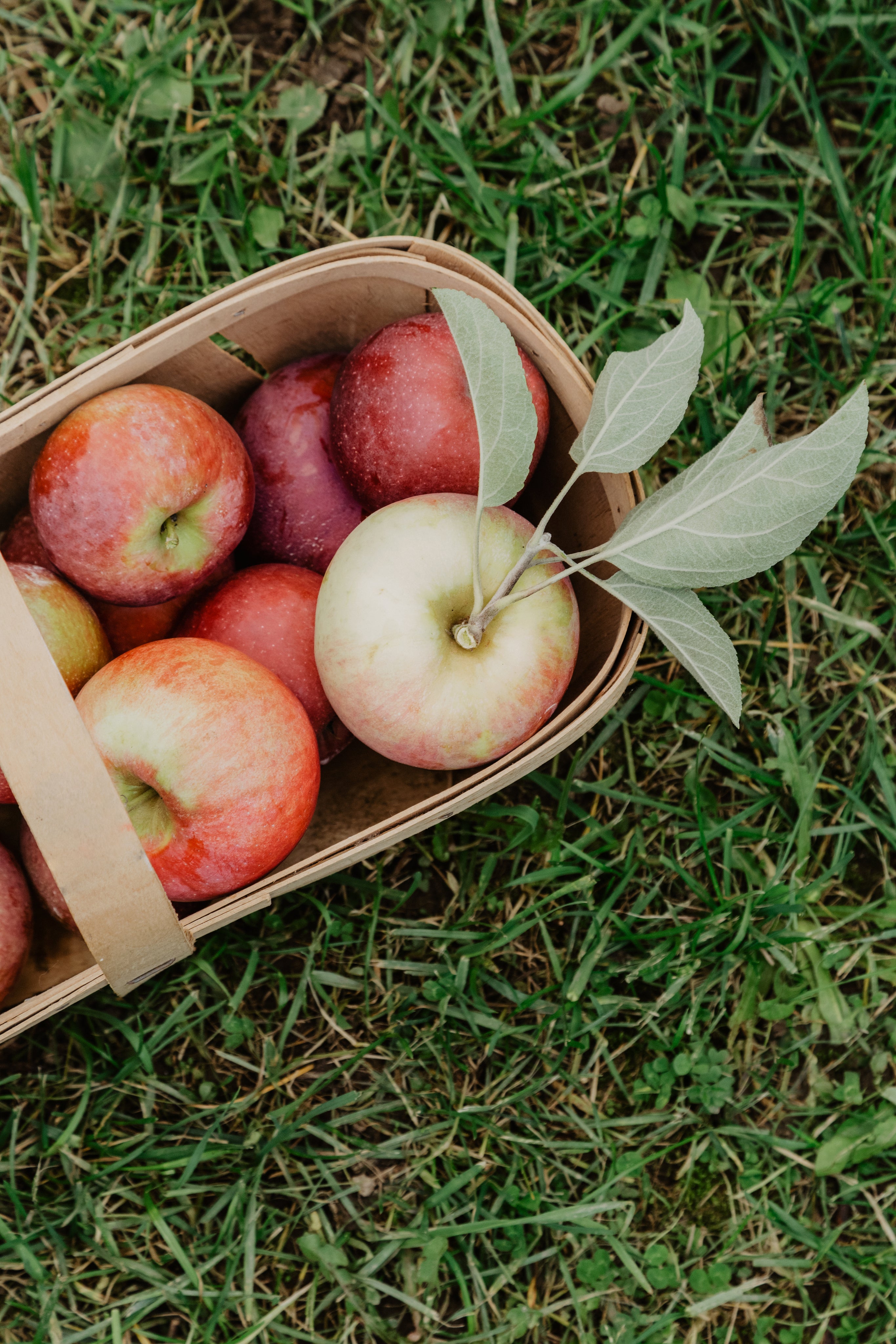
Chicken and sweet potato with broccoli, apple and kale
600 g skinless and boneless chicken breast
200 g sweet potato (including peel)
50 g broccoli
50 g apple (including peel)
40 g carrot
30 g kale
5 mL fish oil (5 x 1000 mg capsules)
3 teaspoons hemp seed oil
13 g CompleteMe® Hypo Canine Plus
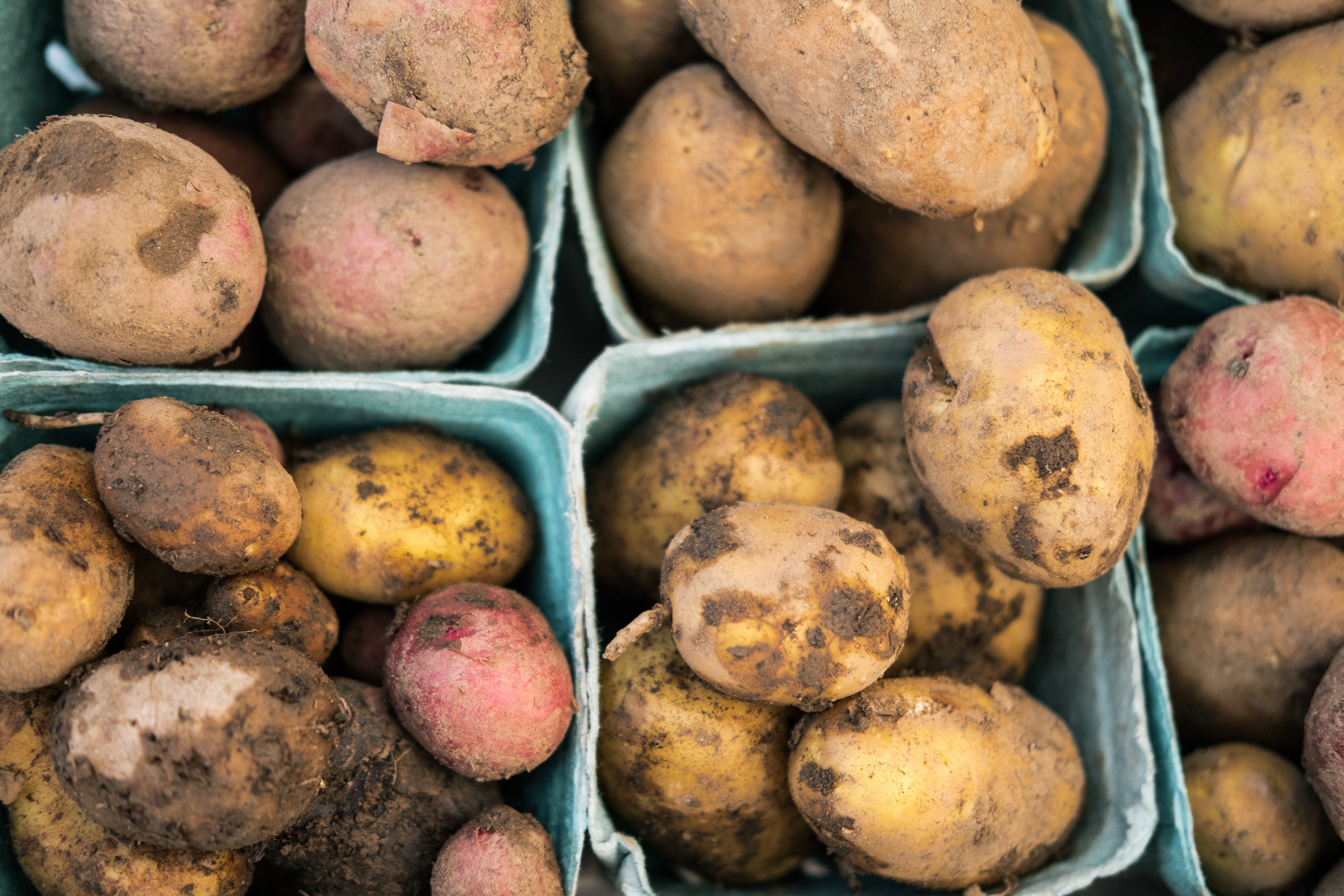
White fish and potato with carrot, green beans and spinach
600 g skinless and boneless white fish fillets
200 g potato (including peel)
100 g carrot (fresh or frozen)
50 g green beans (fresh or frozen)
20 g spinach or silverbeet (fresh or frozen)
3 teaspoons hemp seed oil
13 g CompleteMe® Hypo Canine Plus

Kangaroo and quinoa with pumpkin, pear and broccoli
600 g kangaroo mince (2% fat)
200 g cooked quinoa (weigh after cooking)
120 g pumpkin (peeled)
30 g broccoli (fresh or frozen)
20 g pear (including peel)
5 mL fish oil (5 x 1000 mg capsules)
3 teaspoons hemp seed oil
13 g CompleteMe® Hypo Canine Plus
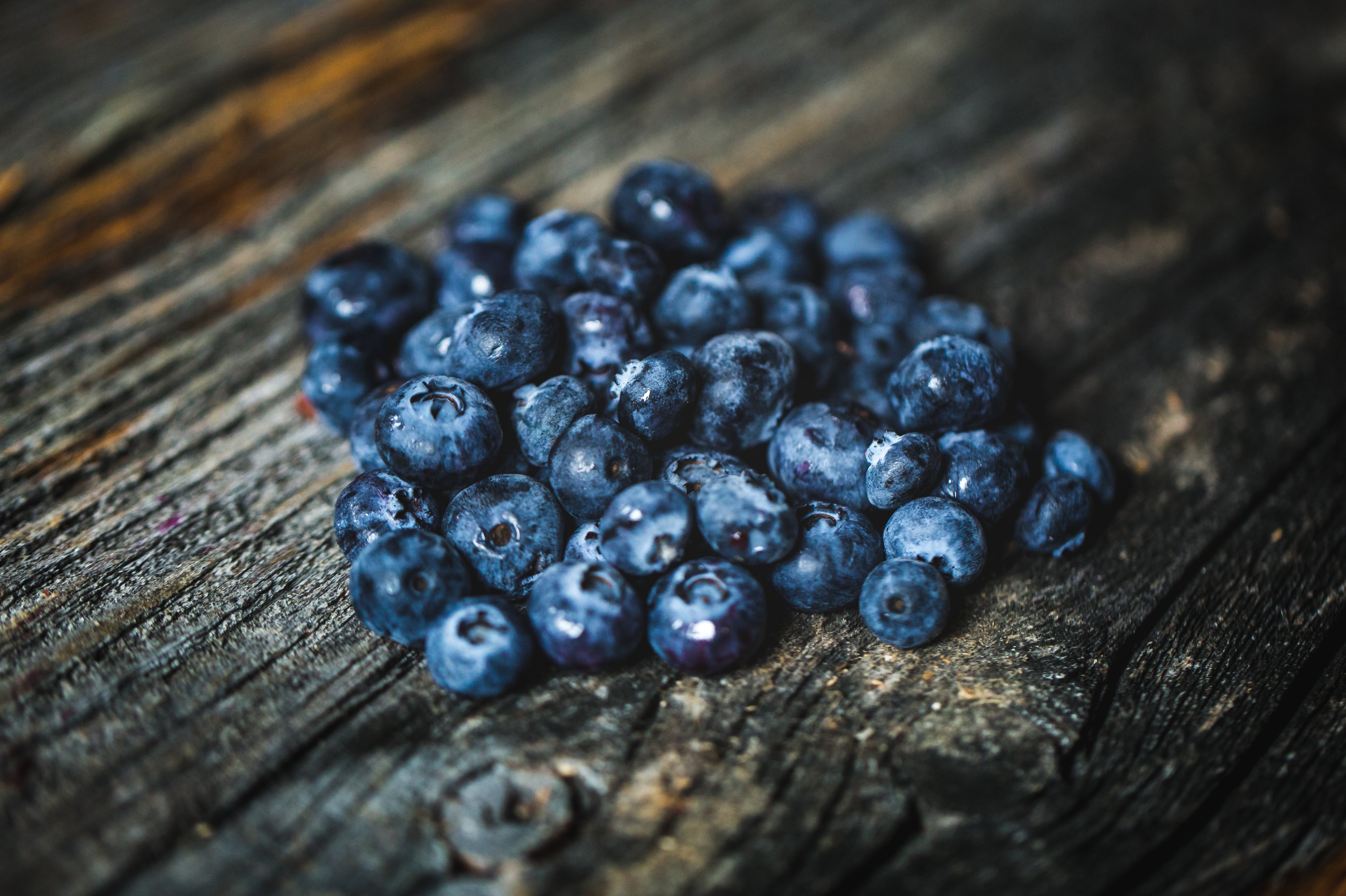
Turkey and sweet potato with cauliflower, berries and kale
600 g turkey mince (6% fat, e.g. Steggles)
200 g sweet potato (including peel)
100 g cauliflower (fresh or frozen)
50 g mixed berries (fresh or frozen)
20 g kale (fresh or frozen)
5 mL marine algae oil (5 x 1000 mg capsules)
3 teaspoons hemp seed oil
13 g CompleteMe® Hypo Canine Plus
Feeding guidelines
Miniature breeds (less than 5 kg): 150-300 grams per day
Small breeds (5-10 kg): 300-650 grams per day
Medium breeds (10-25 kg): 600-1200 grams per day
Large breeds (25-44 kg): 1100-2200 grams per day
Giant breeds (44-80 kg): 1500-3500 grams per day
Feeding quantities are estimates. Adjust up or down based on your dog's size, body condition, age and activity level. Please consult with your dog's veterinarian as needed.
Nutritional information
Food made as per the instructions above is complete and balanced, and meets the nutritional levels established by the AAFCO Dog Food Nutrient Profile for maintenance in adult dogs.
It is not suitable for growth and should not be fed to puppies or reproducing females.
The average kcal/gram for the diet is: 1.0 kcal/gram
The average protein for the diet is:
64% on a dry matter basis
49% on a caloric basis
The average fat for the diet is:
14% on a dry matter basis
32% on a caloric basis
The average sodium content of the diet is:
0.68-0.80 g per 1000 kcal ME
All possible combinations contain less than 100 mg sodium per 100 kcal ME, as recommended for early cardiac disease.
The average omega-6 to omega-3 ratio is 3.2 to 6.1. Leaner, grass-fed meats will produce a diet with a lower ratio.
All possible combinations are high in protein, moderate to low in fat, have controlled sodium, and are high in fibre, taurine, arginine, antioxidants and omega-3. Severe sodium restriction in animals with early heart disease could theoretically be detrimental by early and excessive activation of the renin-angiotensin-aldosterone system (RAAS), so only mild sodium restriction (<100 mg/100 kcal ME) is recommended.
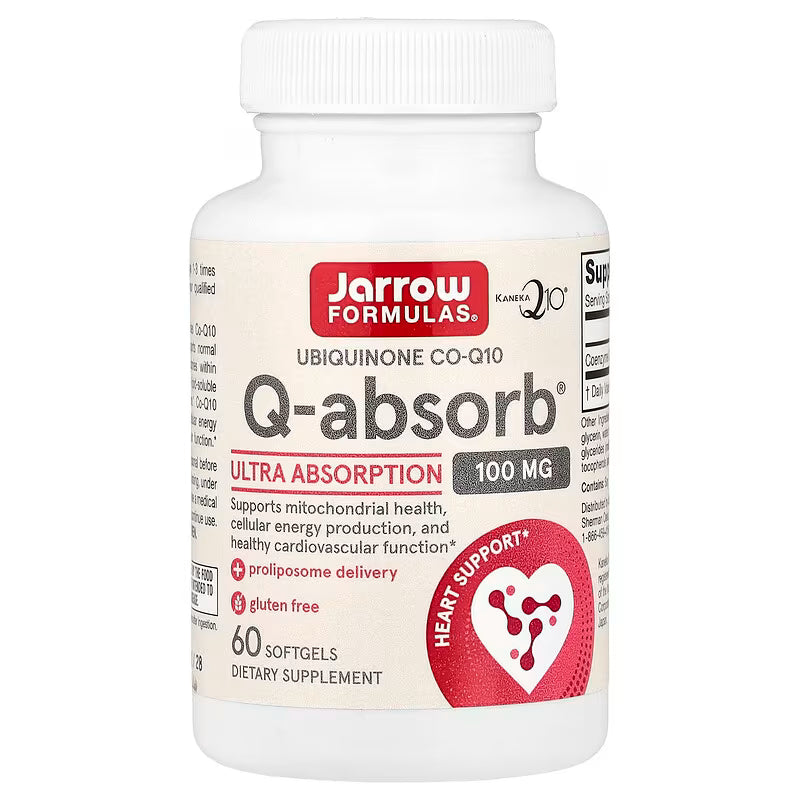
Optional supplements for cardiac patients
For CoQ10, the evidence in dogs is a bit mixed, but that may relate to dosing and the form the supplement is given in. A 2023 review of 28 clinical trials in people, comparing ubiquinone and ubiquinol specifically for cardiovascular endpoints, found that CoQ10 (ubiquinone) supplementation reduced cardiovascular death in heart failure patients. This has not been reported for ubiquinol. Positive long-term effects on cardiovascular mortality were observed only in ubiquinone trials.
Ubiquinone soft gels with an oil carrier are recommended, for example, any product with KanekaQ10 is a good place to start. The current recommended (but empirical) dose in dogs is 30–90 mg twice daily, depending upon the size of the dog.
FAQs
What meat can I use?
For dogs with early cardiac disease, we recommend lean, high quality meats with 2-6% fat, to ensure that the diet is high in protein. This may improve palatability and help to maintain muscle mass.
- Poultry:
Skinless and boneless chicken thigh, drumstick or breast, chicken breast mince (2-3% fat), gizzards, hearts (fat trimmed off)
Skinless and boneless turkey breast or turkey mince (6% fat) - Pork:
Lean pork mince or diced pork loin with 5% fat, pork tenderloin/fillet - Lamb, beef, goat, or venison:
Extra-lean diced lamb or goat meat (including heart or tongue) with 5% fat
Lean venison fillet or steak (e.g. shoulder, backstrap, rump eye, leg steak) or lean venison mince (6% fat)
Extra-lean (5 star) beef mince, gravy or chuck beef with 5% fat, blade, round or rump steak (fat trimmed off), eye fillet or topside roast or steak (fat trimmed off)
Lamb or beef heart (all fat trimmed off) - Game meat:
Lean kangaroo mince or steak with 2-3% fat
Wild or farmed boneless rabbit or hare meat
Emu fan fillet, full rump or flat fillet (1-3% fat)
Wild boar backstrap, boneless leg, or loin chops
Wallaby mince, striploin or boneless leg
Buffalo steak or fillet (3-5% fat) - Fish:
Skinless and boneless white fish fillets, like whiting, hoki, ling, or barramundi
(please don't feed fish exclusively)
Which vegetables and fruits are safe for dogs?
For vegetables, try pumpkin, broccoli, cauliflower, green beans, green peas, carrot, zucchini, squash, spinach, kale, turnips, parsnips, watercress, Asian greens, mushrooms, tomato, capsicum or cabbage.
For fruit, try strawberries, blueberries, raspberries, apple, pear, banana, mango, peach, plum, kiwifruit, guava, papaya, pineapple, watermelon, rockmelon or honeydew melon. Please be very careful to remove any pits or stones, and avoid toxic fruit like grapes, raisins or currants.
Both fresh and frozen vegetables are fine. We recommend steaming or microwaving for most vegetables, however baking can also work well sometimes, especially for root vegetables.
Should I include grains and if so, what are the options?
It is a myth that dogs are frequently allergic to grains; in fact, an allergy to grains is quite uncommon. Whole grains are energy-dense and economical, as well as being rich in essential nutrients and fibre. They can be a very valuable addition to your dog's diet, especially for large to giant-breed dogs needing a big volume of food per day.
Some options to consider:
- Quinoa or amaranth
- Brown rice, black rice, white rice or red rice
- Rolled oats (avoid instant oats)
- Pearled barley
- Wholewheat pasta
- Teff or couscous
- Buckwheat
Avoid millet, which contains compounds that can cause thyroid problems. For any included grains, it is important to ensure they are cooked very thoroughly to ensure they are highly digestible. For rice, we recommend occasional use, and cooking in lots of water on the stove to reduce the arsenic content.
Where can I buy omega-3 oils from?
You can buy fish oil, krill oil and marine algae oil locally, from Chemist Warehouse, in Australia and NZ.
- Swisse Ultiboost wild fish oil 1000 mg capsules
- Microgenics krill oil 1000 mg capsules
- Wanderlust plant omega-3 1000 mg capsules
Other brands can be purchased via iHerb - for example, Sports Research, Now Foods, Solgar, Nordic Naturals, Carlson, or California Gold Nutrition. It is fine to use human products, so long as there are no added artificial sweeteners.
For help with using fish oil capsules and some tips and tricks, please see this blog post.
Can I use raw meat?
You can include the meat raw or cooked, depending on preference. For raw human-grade meat, be sure to freeze the meat for 10 days prior to use. For pork (in areas with Trichinella), freezing for 3 weeks prior to use is sensible. Please discuss raw-feeding with your dog's veterinarian; raw feeding is not suitable for all dogs or households.
My dog needs a low fat diet; which ingredients should I choose?
For a low fat diet, select leaner proteins. The following are the lowest fat combinations:
- Turkey breast + sweet potato, potato, or white rice:
18.5% fat on a caloric basis - Emu, flat fillet + sweet potato, potato, or white rice:
17.6% fat on a caloric basis - White fish + sweet potato, potato, or white rice:
20.4% fat on a caloric basis - Kangaroo fillet/steak + sweet potato, potato, or white rice:
17.5% fat on a caloric basis - Chicken breast + sweet potato, potato, or white rice:
23.3% fat on a caloric basis
Please include all other ingredients (including the oils), as per the ingredients list above. For reference, commercial prescription low-fat diets have 17-20% calories from fat.
What treats can I feed?
Try to choose low sodium treats that are rich in antioxidants, like carrot sticks, berries, papaya, kiwifruit, or capsicum. Omega-3-rich treats like freeze-dried green-lipped mussels or boneless white fish can be given occasionally, in small amounts. Dehydrated or freeze-dried grass-fed or pastured meat treats, like grass-fed beef or kangaroo steak, are also good choices.
Avoid high sodium foods like cheese, nut butters, bacon, sausage, chips, pizza, or other processed snacks. Also avoid foods with added soy sauce or other salty sauces or broths.
Need to restock?
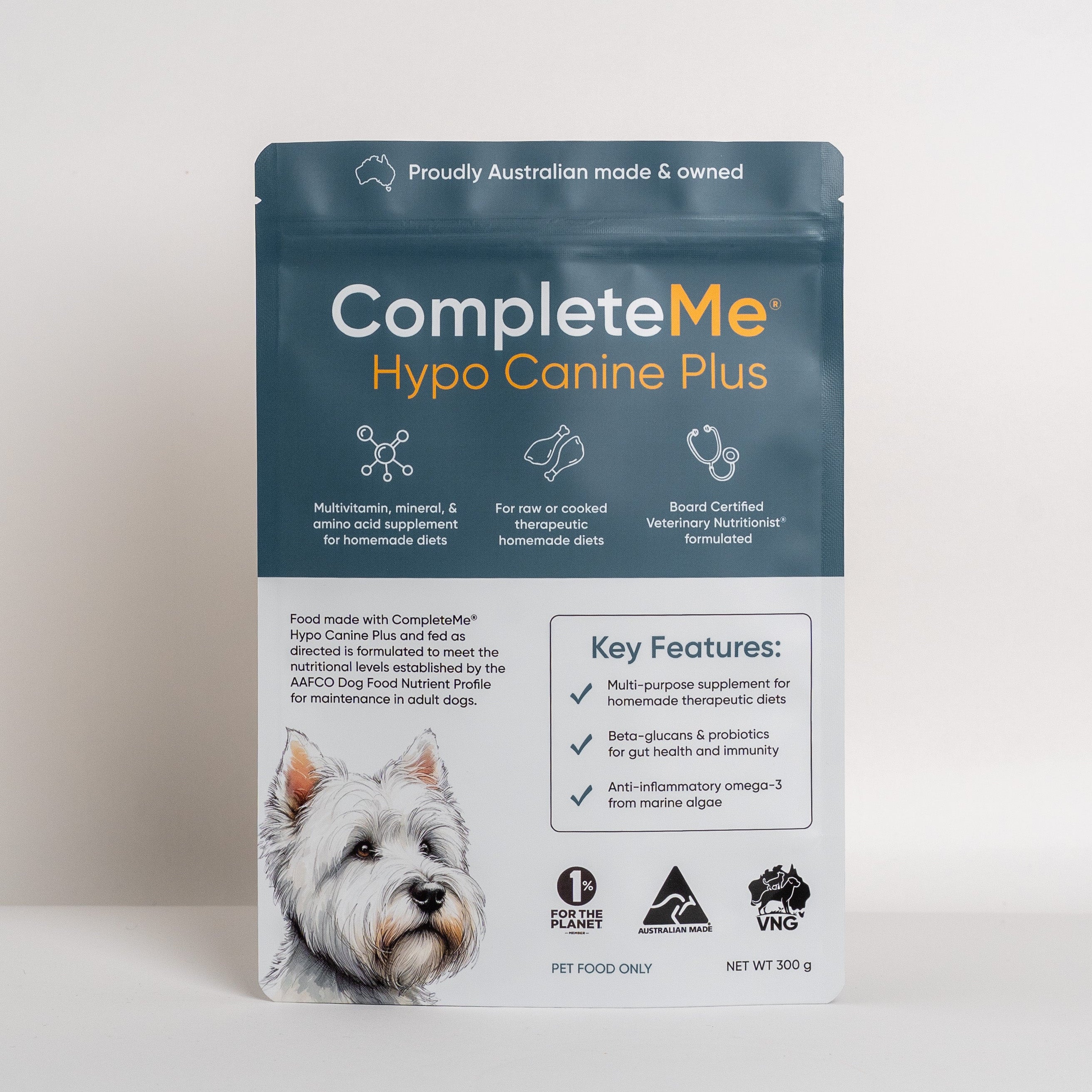
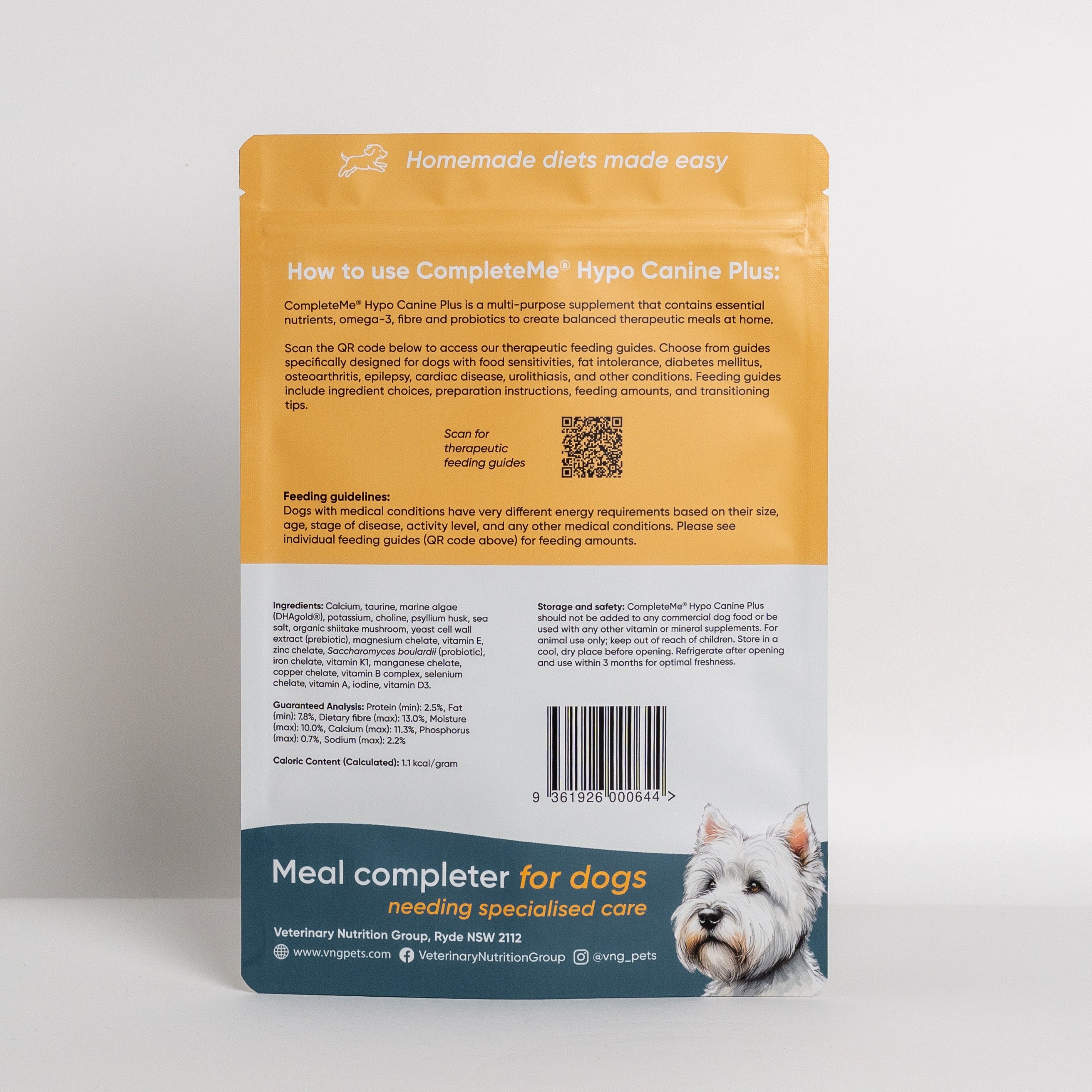
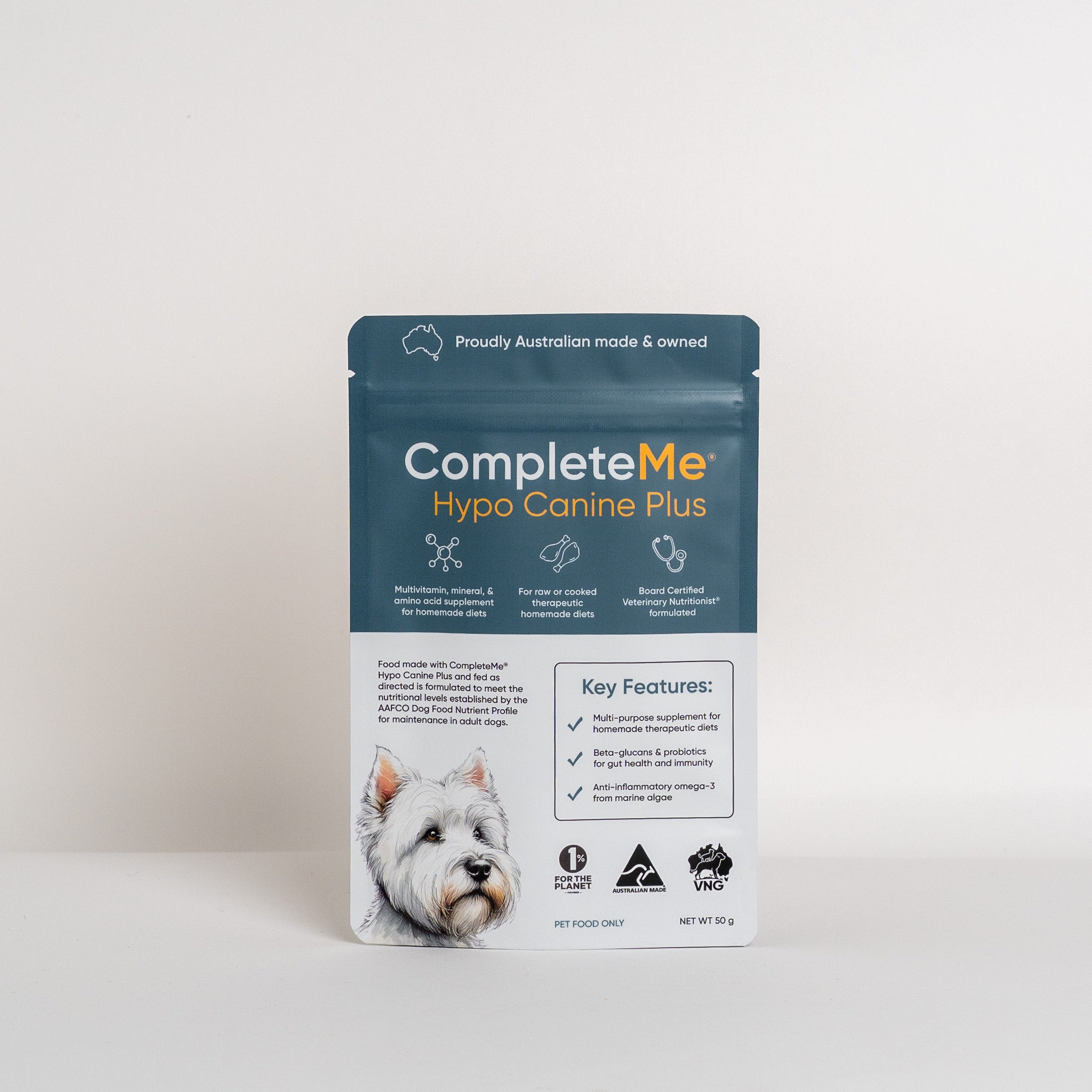
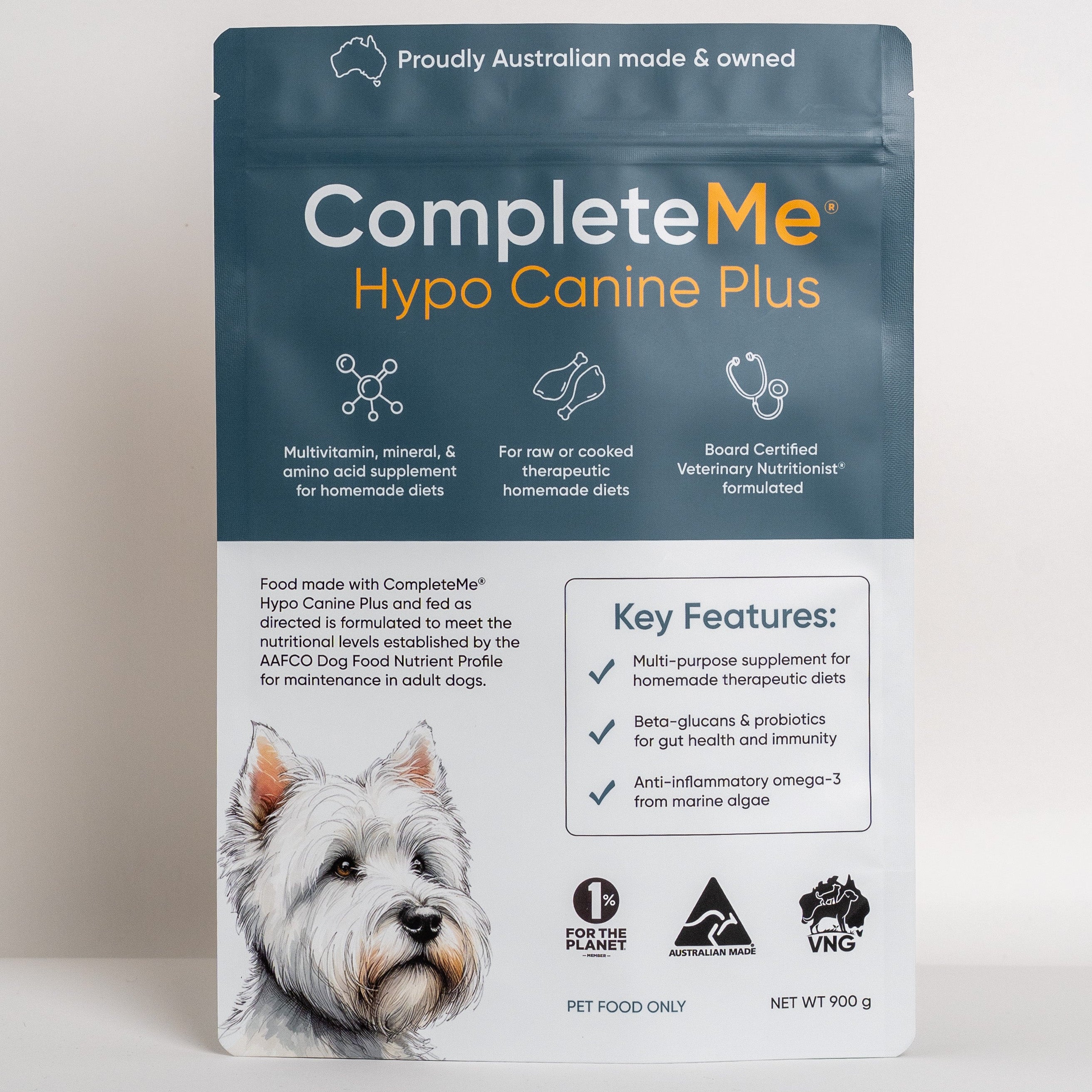
CompleteMe® Hypo Canine Plus
CompleteMe® Hypo Canine Plus is a multi-purpose meal completer supplement that contains essential nutrients, omega-3, and fibre to create a balanced therapeutic diet at home.
Hypoallergenic formula with no added animal proteins. Added shiitake mushrooms for anti-inflammatory beta-glucans, marine algae for omega-3, and pre- and probiotics.
It can be added to a range of ingredients to produce meals suitable for different medical conditions, including food allergies or sensitivities, pancreatitis, diabetes, and urinary tract disease.
Please see our new flexible feeding guides below for how-to-use instructions.
Both the product and feeding guides were developed by VNG's two Board Certified Veterinary Nutritionists®, Dr Becca Leung and Dr Meredith Wall.