Written by Dr Meredith Wall, BA BVSc (Hons I), DACVIM (Nutrition)
You may have noticed that recently, we discontinued our venison-based CompleteMe Feline, and our venison treats. We also removed wild rabbit from another product as well. This was mainly due to concerns regarding potential lead contamination of these meats, from the use of lead ammunition (bullets).
For all our clients and for veterinarians interested in learning more about this, here's an overview.
What is lead?
Lead is a toxic, naturally occurring heavy metal. It was previously used in lead paint, and gasoline, and is still used today in many industries. One of its uses is in lead ammunition (bullets) for hunting, mainly because it is cost-effective and dense.
Many foods contain trace amounts of lead, so some exposure is very difficult to avoid. For example, some root vegetables like sweet potatoes or carrots can absorb lead from the soil they are grown in, and lead can accumulate in the outer bran of some whole grains.

What is lead toxicity?
Lead toxicity or poisoning can occur if you or your pet inhales lead particles, or ingests lead as part of food or supplements. For example, dust in old homes can contain lead from lead-based paint. In people, lead toxicity typically refers to lead exposures that cause illness and require immediate medical attention. However, chronic low-level exposure can also occur.
Lead is distributed to the brain, liver, kidney and bones. It is stored in the teeth and bones, where it can accumulate over time. It can cause damage to the kidneys, impaired learning and memory, liver damage, reproductive problems, anaemia and immune system dysfunction.
We know that lead is likely to be particularly harmful for growing animals, pregnant animals, and may be especially concerning for pets with underlying medical conditions like kidney disease.
It is important to note that research shows there is no level of exposure to lead that is known to be without harmful effects.
What are "game meats"? What species are we most concerned about?
The term 'game meat' usually refers to meat from animals that have been hunted in the wild, rather than meat from animals raised in conventional farming systems. There may be ethical and environmental advantages to eating game meat. For example, wild animals may live a free life, and be able to express natural behaviours.
Some game meat is obtained from invasive species, like wild rabbits or wild boar. Eating these animals may help to reduce population sizes, and the damage they cause to the environment (although this is a contentious issue).
Species that are classified as game meat in Australia and New Zealand include:
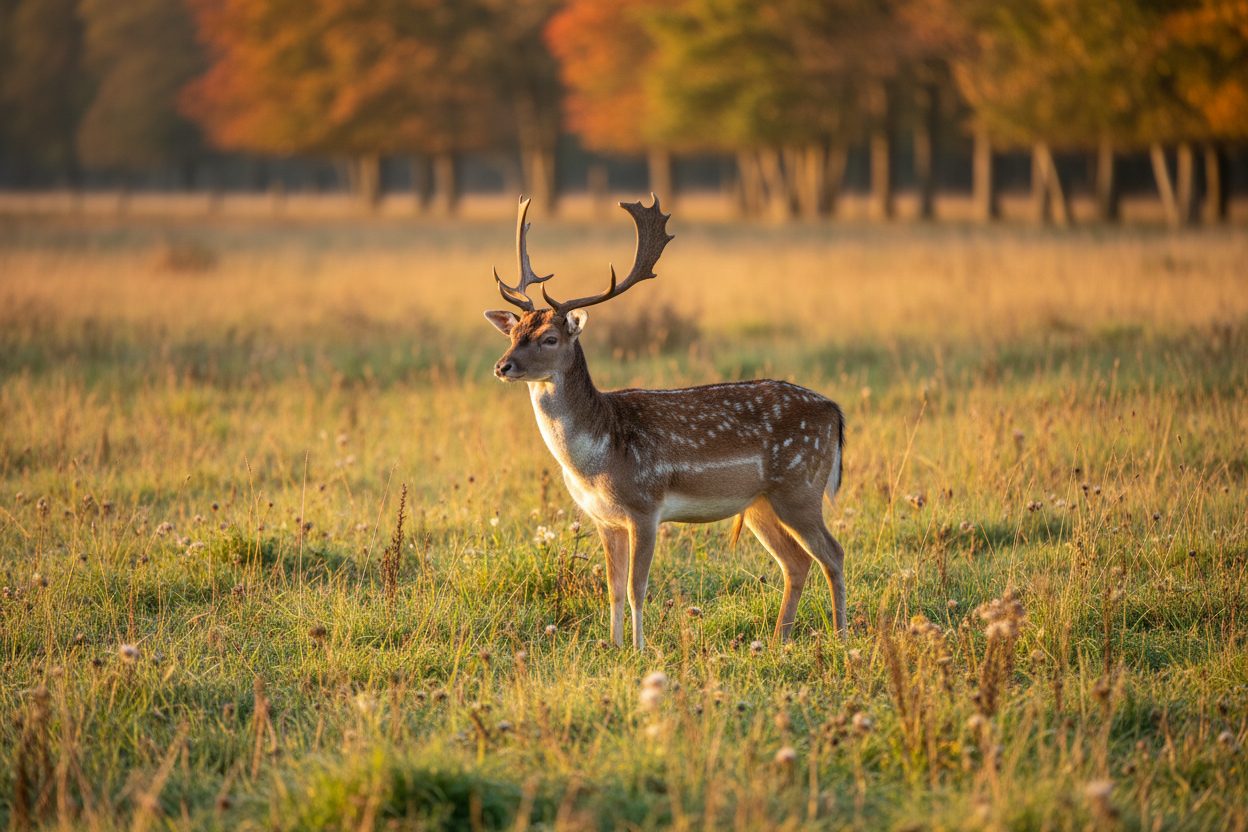
Kangaroo and wallaby, wild deer, wild goats (rangeland goats), wild camel, wild buffalo, wild boar, wild rabbit and hare, and wild game birds like pheasant and partridge. In New Zealand, wild Tahr and wild sheep are also hunted.

It is important to distinguish between wild and farmed game meat species. For example, it is possible to source farmed rabbit, farmed goat meat, and farmed venison in either Australia or New Zealand. These farmed species do not represent the same risk of lead contamination, as they are killed and processed differently.
Emu and crocodile, whilst sounding like wild game meats, are predominantly farmed in Australia.
Why is lead contamination a concern when eating game meat?
If lead bullets are used for hunting game species, the bullet fragments on impact with the animal, dispersing many toxic lead fragments into the meat, in an area around the site of impact.

A comparison of fired copper and lead bullets, showing how lead ammunition can fragment into smaller pieces after it hits a target, while copper bullets often remain intact. | Mike McTee/Forest and Rangeland Ecosystem Science Center/USGS
Many of these lead fragments are extremely small, however the dispersion area can be quite large. Eating meat that is contaminated with these lead fragments may represent a health concern for both people and pets, especially if the meat is consumed on a regular basis.
What research is there on lead in game meat?
There is extensive research on lead contamination of game meat from Europe, the USA, the UK, and Australia, as well as other countries. Many of these research papers are focused on lead in meat for human consumption. Because there is so much research, it is beyond the scope of this blog to discuss them all - however here are some of the key findings.
In Australia, one study showed that visible fragments of lead were absent in commercially available kangaroo products, but were present in 4%, 28% and 35% of recreationally hunted wallaby, venison and quail.
Perhaps more relevant, in Australian deer that were professionally hunted, the average number of lead fragments per carcass ranged from seven to 629, the average fragment size was 1.2 mm, and the average fragment coverage area was 325 cm squared.
Some recent papers have focused on lead in game meat-containing pet foods or raw diets. In Austria, game meat and offal used for raw meat-based diets for dogs was found to be contaminated, with lead above 1.5 mg/kg wet weight in 19/47 samples.
In the UK, 77% of samples from three raw pheasant dogfood products exceeded the EU maximum residue level (MRL) for lead in animal feed, with mean concentrations approximately 245, 135 and 49 times above the MRL.
In addition to posing risks to dog and cat health, lead contamination of game meat is also a significant concern for human health, and for wildlife as well. It is well-established that eating meat harvested with lead projectiles increases serum lead levels. In the USA, the Centers for Disease Control and Prevention tested 736 people, mostly adults, in six North Dakota cities and found that those who ate wild game had 50 percent more lead in their blood than those who did not eat it.
Overseas, lead poisoning of Bald Eagles, Golden Eagles and California Condors has been well-documented, and in Australia, greater than 50 per cent of Wedge-tailed Eagles examined from east Gippsland had elevated bone lead levels (>10 mg/kg) and 13 per cent had severe lead exposure (>20 mg/kg).

Is this an issue that affects only Australia?
No, it isn't. This is an issue that affects game meat from any country that allows hunting of animals for consumption using lead ammunition. Some countries do have stricter regulations. For example, lead ammunition is banned in wetland areas in France, and this is true for Victoria and Tasmania as well (wetland areas only). Denmark has a total ban on lead ammunition use.
What are the game meat and pet food industries doing to reduce the risk of lead contamination?
Head-shot animals only
In Australia, the leading supplier of game meat including kangaroo and venison, only processes carcasses from 'head shot' animals, meaning that animals shot in the chest or neck won't be accepted for processing. For venison, meat from the neck, shoulders and other parts of the animal are all sold for human consumption.
For rabbit, the animal is usually sold whole (with the head removed). For kangaroo, most of the meat is derived from the hindquarters. Mince can be made from meat that comes from any part of the animal, but usually don't contain 'prime cuts'. Minced meat can represent a greater risk, because any lead present is dispersed throughout the meat during the mincing process.
Does the practice of processing head-shot animals only reduce or remove the risk of lead toxicity? It is difficult to say. For animals where the bulk of the edible meat is found far from the head (for example, a kangaroo), this may help to reduce the risk of contamination. There is one paper on deer killed by sharpshooting (head and neck placement only) in the USA; this study demonstrated that deer killed by head shot only had minimal contamination of the meat in the shoulders and back.
However, meat from the neck was contaminated with fragments, and animals shot in the neck had contamination of the meat in back strap. More research is clearly needed to definitively show that meat from deer, goats and rabbits subject to headshots only are adequately free from lead contamination, including meat from the neck, shoulders, back, and any mince produced. Right now, we don't have enough evidence to conclude this. Meat from smaller animals like goat or rabbits may be more concerning, because the head is objectively closer to most of the edible meat.
For any game meat where the animal is shot in the thorax or neck, there is still a high risk of lead contamination, and this can include a diverse range of meat cuts. Smaller suppliers in Australia and New Zealand may or may not be processing animals that have been head-shot only - currently, there are no regulations or requirements for this to happen.
National Residue Survey sampling program
In Australia, kangaroo and deer samples are voluntarily submitted by some (but not all) game meat suppliers for lead testing. Samples are collected in accordance with Australian Department of Agriculture, Forestry and Fisheries sampling plans by authorised government officers at the processing plants. The samples are analysed for residues of pesticides, heavy metals (including lead), veterinary medicines and environmental contaminates.
However, the sampling program currently only requires samples of the liver to be submitted for lead testing. Testing the liver for lead would reveal if the animal has high lead levels due to ingestion of lead, but it tells us nothing about lead contamination of muscle meat due to ammunition.
Use of metal detectors and x-rays
Food industry metal detectors typically have a limit of 1 to 3 mm, so whilst they will detect very large pieces of lead, they won't detect particles smaller than 1 mm squared. Research has shown that most (~75%) lead particles are smaller than 1 mm squared, so how useful this practice is remains debatable.
What are we doing to reduce the risk of lead toxicity in dogs and cats?
We believe caution is important, until we have more research available. Because lead is so harmful, it's better to be safe than sorry. This is why we have removed wild venison and rabbit from our products, and will recommend intermittent feeding of diets that contain game meats from now on. We plan to participate in ongoing research on lead contamination of game meat-containing pet food in Australia and New Zealand, so that ultimately, we hope that we will be able to continue to use and recommend game meat with confidence.
What can pet parents do to reduce their pet's exposure to lead?
Here are some things you can do to reduce your pet's risk of dietary lead exposure:
- Only feed diets containing game meats occasionally. Don't feed them everyday. This includes homemade diets containing wild venison, wild goat, wild rabbit, and wild boar. For commercial diets containing game meat, it is this author's opinion that they also be fed occasionally.
- Try feeding diets that contain other proteins as well, rather than just game meat (e.g. chicken and venison, vs. venison only).
- For treats, most pet parents feed smaller amounts per day (compared with a diet), so they are likely a bit safer, however try to rotate game meat treats with other treats (e.g. pork, beef, lamb etc).
- Avoid game birds completely. This includes pheasant, partridge, guinea fowl and any other wild game species. These birds have consistently been shown to have extremely high lead levels, unless shot using copper ammunition only.
- Ask your meat supplier if the meat you are buying is derived from head-shot animals only. If it is, choose cuts as far from the head as possible, bearing in mind that cuts from the hind limbs are usually the most expensive.
- Be cautious with game meat mince. It often contains trimmings or parts of the animal that can't be sold as premium cuts. This can be true for "diced meat" as well. For mince, the lead can be dispersed through the meat as part of the mincing process.
- If your pet has an allergy, and is currently exclusively fed a game meat-containing novel protein or limited protein diet, try introducing other proteins gradually. For animals tolerating venison, lamb or beef may be a good place to start, because there is often cross-reactivity between ruminant proteins anyway. If your pet tolerates wild boar, try pork. If you are feeding wild rabbit, try farmed rabbit, crocodile, or emu.
- For our consultancy clients, please get in touch with us for options.
- For commercial diets containing game meat, ask the manufacturer if they test lead levels in their diet/s, and if they can share the results.
Any questions, comments or feedback: info@vngpets.com
Share:
Can cats eat fish? A look at the risks and benefits