
Feeding guide for kittens with food sensitivities
With CompleteMe® Kitten - Kangaroo & mussel
Make novel or limited protein, balanced cat food at home quickly and easily. Formulated for growing kittens and reproducing female cats.
Choose the meat and other ingredients you would like to use with our simple, flexible guide. Options to add extra fibre, omega-3 and antioxidants for joint, gut and skin health.
Makes 1 kilogram of food, which can be portioned and frozen.
Ingredients
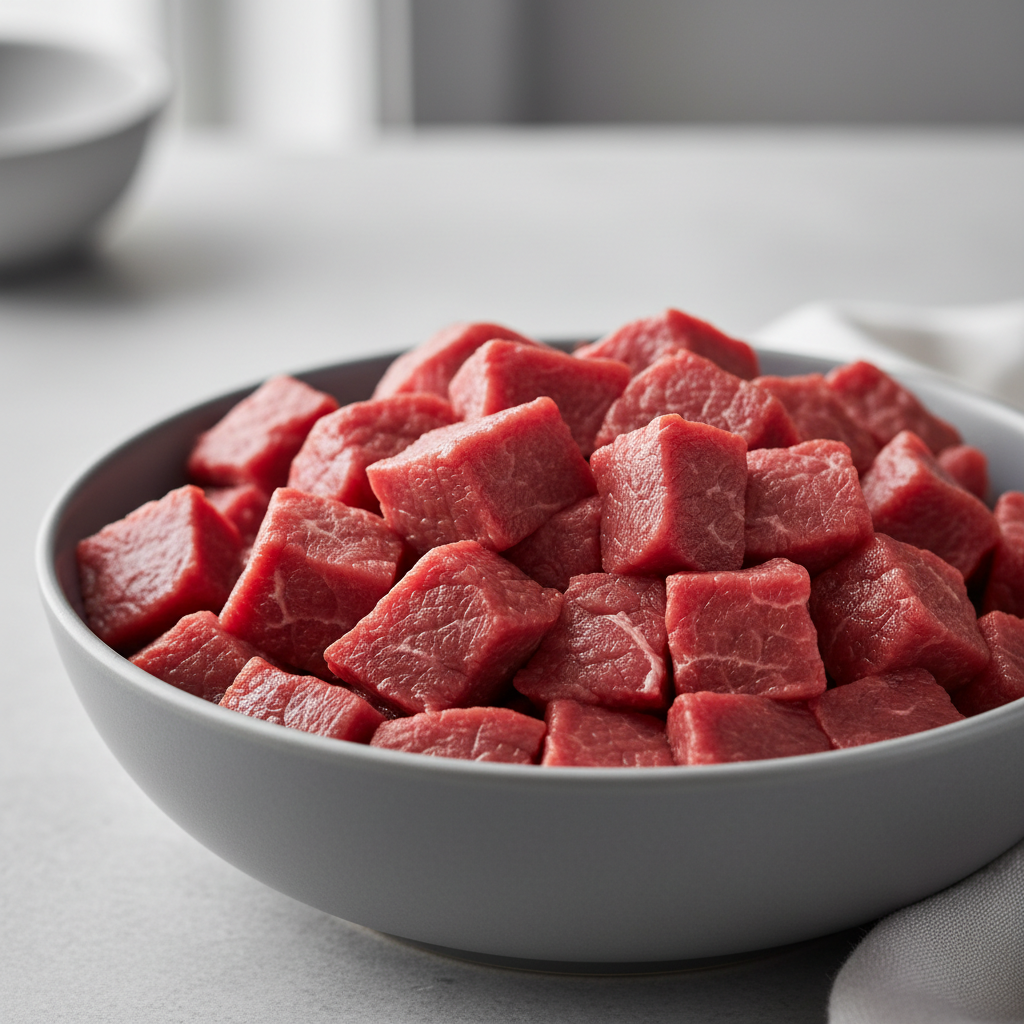
1 kilogram of lean raw muscle meat (2-10% fat)
Please see the FAQs below for options for meat types and cuts.
50-100 mL of water
45 grams of CompleteMe® Kitten - Kangaroo & mussel
Optional:
2 mL of omega-3-rich oil
(Marine algae oil may be a good choice, because it is free from animal-derived proteins)
For kittens and reproducing females, we like oils rich in DHA for healthy brain and eye development.
1 to 3 teaspoons of prebiotic fibre
(choose from: chia seeds, oat or barley bran, psyllium husk, coconut flour (fibre), hydrolyzed collagen or gelatine)
2 to 3 teaspoons of antioxidant-rich plant matter
(for example, finely grated carrot (for beta-carotene), finely chopped kale, dandelion leaves or cat nip leaves (for lutein and quercetin), tomato paste (no additives; for lycopene) etc.)
Directions
Batch prep with raw meat:
- Dice or grind the raw meat, as desired.
- Combine with 45 grams CompleteMe® Kitten - Kangaroo & mussel, 50-100 mL water, and any optional ingredients, and mix again.
- Portion and refrigerate, or freeze.
Batch prep with cooked meat:
- Gently cook the diced or ground meat in a pot or slow cooker with 50-150 mL water, until cooked (20-40 minutes).
- Allow to cool, then combine the cooked meat (including liquid from pot), 45 grams of CompleteMe® Kitten - Kangaroo & mussel, and any optional ingredients, and mix well.
- Portion and refrigerate, or freeze.
How to make individual meals:
Combine 50 grams of raw boneless meat (2-10% fat) with 1/2 (one half) level teaspoon (2.3 grams) of CompleteMe® Kitten - Kangaroo & mussel, and 1 teaspoon of water. Mix and serve.
Storage and safety
Do not add CompleteMe® Kitten - Kangaroo & mussel to any commercial cat food, or use with any other nutritional supplements (containing vitamins and/or minerals).
However, it is fine to feed a balanced homemade diet along with a balanced commercial diet. For example, 50% homemade diet, and 50% canned diet.
For raw meat, freeze for 10 days before use to destroy parasites like Toxoplasma. In areas with Trichinella, please freeze pork for 3 weeks before use. In areas with highly pathogenic avian influenza, we recommend avoiding raw poultry.
Larger batches can be made and frozen for convenience. Keep refrigerated food for 3 days, and frozen food for 3-4 months. Please discard any uneaten food after 30 minutes.

What are novel or limited protein diets?
A 'novel' protein is one that you have never fed your kitten previously. Often these are uncommon proteins like goat, emu, wild boar, kangaroo, venison or rabbit. Novel proteins are typically fed as part of an elimination trial, under the guidance of your vet or dermatologist, in order to try and diagnose a possible food allergy.
Novel proteins can be expensive and hard to source, so you can also choose to try a limited protein diet first, which would include protein/s that are less common allergens. For example, pork, kangaroo or lamb. Avoid chicken, turkey, beef, dairy and fish, as these are more common allergens.
CompleteMe Kitten does include kangaroo and mussel proteins, so this feeding guide may not be suitable if you suspect an allergy to either of those ingredients.
An elimination trial often lasts 4-6 weeks, and during this period, you feed only a strict novel or limited protein diet. This eliminates potential allergens. You watch for improvements in symptoms (e.g. reduced itching, normal stools etc) to see if the diet is helping. If it does help, individual proteins can then be re-introduced into the diet one at a time, to see what can be tolerated.
If you think your kitten needs a novel or limited protein diet, have a chat with your vet first. There may be other causes of your kitten's signs that need to be considered as well.
Some of our favourite novel or limited protein combos ...
Here are some of our most popular novel protein or limited protein combinations you can make, using the guide above. Simple recipes are often best for animals with suspected allergies - too many ingredients introduces unnecessary potential allergens.
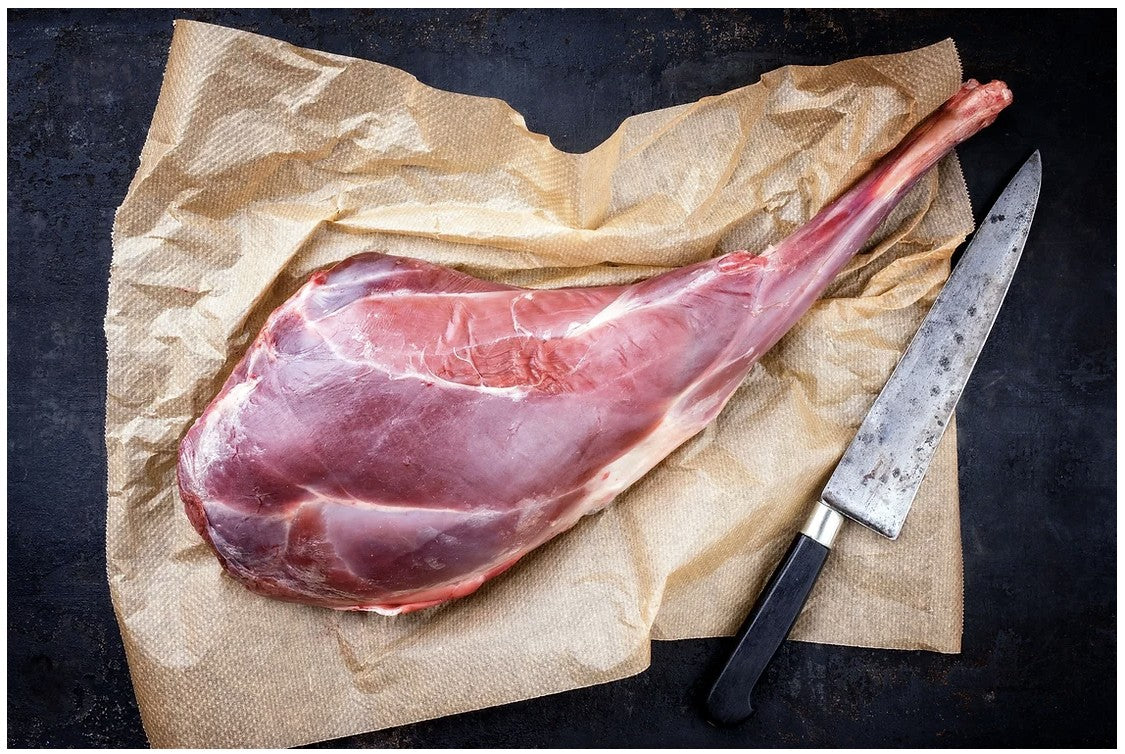
Diced venison with kale and chia
1000 g lean diced venison (3-5% fat)
2 mL marine algae oil (2 x 1000 mg capsules)
2 teaspoons finely chopped kale leaves
2 teaspoons chia seeds
45 g CompleteMe® Kitten - Kangaroo & mussel
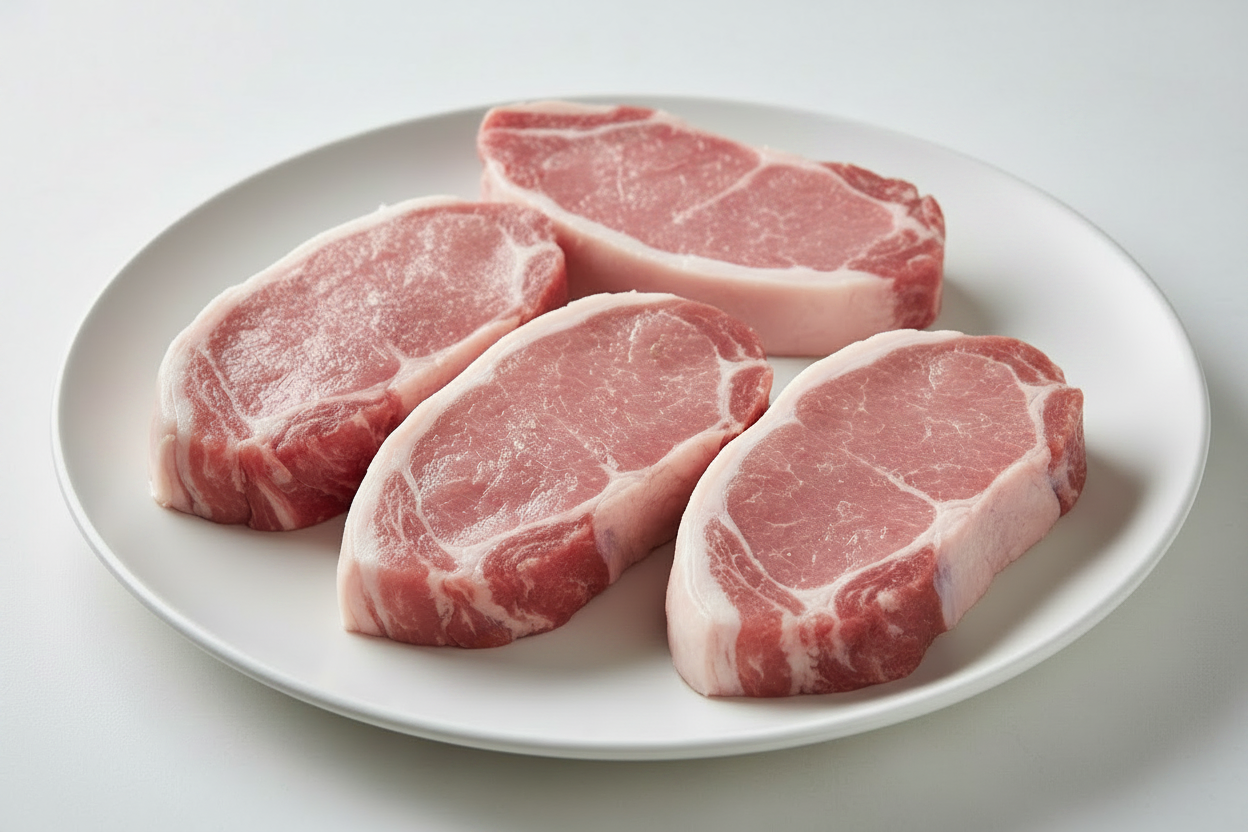
Kangaroo mince and pork loin
500 g kangaroo mince (2-3% fat)
500 g boneless diced pork loin (5% fat)
1 teaspoon finely chopped baby spinach
1 mL marine algae oil (1 x 1000 mg capsule)
2 teaspoons psyllium husk
45 g CompleteMe® Kitten - Kangaroo & mussel
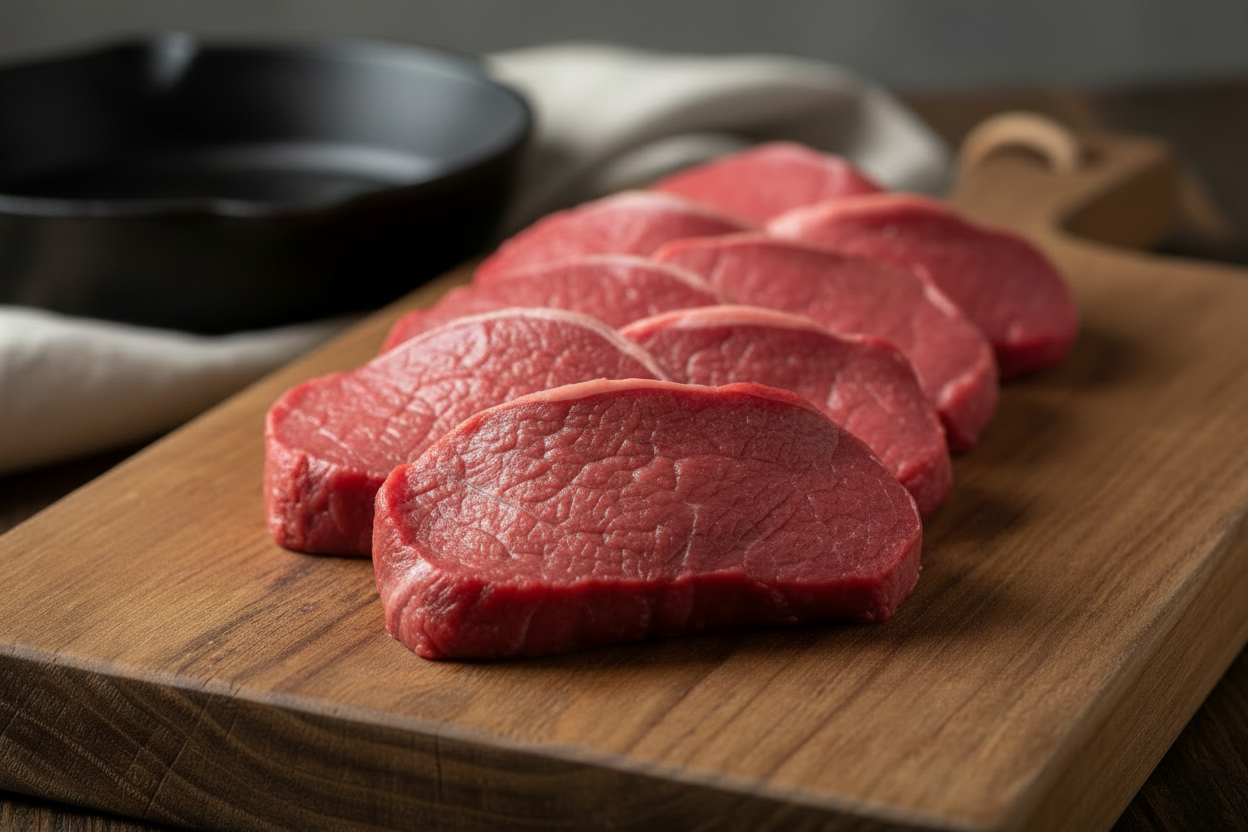
Emu with carrot and coconut fibre
1000 g emu meat, full round, fan or flat fillet, or lean mince (1-3% fat)
2 teaspoons finely grated carrot
2 teaspoons coconut flour
1 mL marine algae oil (1 x 1000 mg capsule)
45 g CompleteMe® Kitten - Kangaroo & mussel
Diced lamb with rabbit
750 g extra-lean diced lamb (5% fat)
250 g boneless rabbit meat (2-5% fat)
2 teaspoons chia seeds
45 g CompleteMe® Kitten - Kangaroo & mussel
Feeding guidelines
Kittens less than 5 months old can be fed as much as they would like. For kittens 5 to 18 months old, we recommend feeding 5-10% of bodyweight. Adjust up or down based on your kitten's size, age, body condition, and activity level. Free-choice feeding is the preferred method for pregnant or nursing queens. Assess food intake and weight gain at least weekly, in consultation with your cat's vet.
This is a general guideline; please consult with your cat's veterinarian as needed. We recommend feeding kittens 4 to 6 meals per day, depending on age.
Nutritional information
Food made as per the instructions above is complete and balanced, and meets the nutritional levels established by the AAFCO Cat Food Nutrient Profile for growth and reproduction.
For adult cats with food sensitivities or allergies, including inflammatory bowel disease (IBD) we recommend using CompleteMe® Hypo Feline Plus, along with our feeding guide for adult cats.
The average kcal/gram for the diet is: 1.6 kcal/gram
The average protein for the diet is:
68% on a dry matter basis
59% on a caloric basis
The average fat for the diet is:
22% on a dry matter basis
41% on a caloric basis
Average phosphorus for the diet is:
0.34% as fed basis
1% dry matter basis
2.2 g per 1000 kcal ME
All possible combinations are ultra-low in carbohydrate, high in moisture, and have appropriate calcium, magnesium and sodium. No added water-soluble phosphates.
As mentioned previously, CompleteMe Kitten does contain kangaroo and blue mussel. This may make it unsuitable for any kittens with a suspected allergy to these proteins.
FAQs
What meats can I use?
A large number of meats and cuts can be used with CompleteMe Kitten. Variety is important; we strongly recommend feeding a range of different meat types and cuts. Don't exclusively feed very lean meats; this is especially important for breeding females. 5-8% fat is a good everyday choice for kittens; this equates to about 55-65% calories from protein, similar to the diet of a feral cat or small wild cat. 8-10% fat may be more suitable for queens. Be sure to feed occasional higher and lower fat meals as well. As your kitten grows, try to include different textures as well, for example, chunks, small strips, mince, etc.
For kittens with food sensitivities or allergies needing a novel or limited protein diet, choose a meat that your kitten has never eaten before, or a less common allergen like pork, kangaroo or lamb. You can also use well-tolerated meats, if you already know what your kitten does well on.
- Poultry:
Skinless and boneless chicken thigh, drumstick or breast, mince (2-3% fat), gizzards, hearts (fat trimmed off)
Skinless and boneless turkey or duck breast - Pork:
Lean pork mince or diced pork loin with 5-10% fat, rump steak (untrimmed), pork tenderloin (2-3% fat) - Lamb, beef, goat, or venison:
Extra-lean diced lamb or goat meat (including heart or tongue) with 5-10% fat
Lean venison fillet or steak (e.g. shoulder, backstrap, rump eye, leg steak)
Extra-lean (5 star) beef mince, gravy or chuck beef with 5-10% fat, blade, round or rump steak (fat trimmed off), eye fillet or topside roast or steak (fat trimmed off) - Game meat:
Lean kangaroo mince or steak with 2-3% fat
Wallaby, mince, boneless leg or fillet (1-3% fat)
Wild or farmed boneless rabbit or hare meat
Emu mince, full round, fan fillet or flat fillet (1-3% fat)
Wild boar backstrap, boneless leg, or loin chops
Horse or donkey meat, lean (5% fat)
Boneless tahr, fillet, steak, striploin or mince (1-3% fat)
Crocodile, tail or leg meat (2-5% fat)
Buffalo, very lean fillet or steak (5% fat)
Should I add offal to the diet?
Please do not add any additional liver, kidney, pancreas or spleen to the diet. This could result in an excess of some nutrients. Heart, gizzards and tongue can be used as muscle meats; please trim off visible white fat around the base of the heart before using. Be careful not to introduce potential allergens, if you are doing a diet trial. For example, don't add chicken hearts to a single protein kangaroo diet.
Why add extra omega-3 or fibre to my kitten's diet?
DHA (docosahexaenoic Acid), an omega-3 fatty acid, is natural omega-3 fatty acid essential in the development of the brain and nervous system in kittens. It is found in fish oil, krill oil, or marine algae oil. Plant-derived oils like flaxseed oil do not provide any DHA.
Research suggests that DHA supplementation in young animals can improve learning and memory, including long-term memory and problem-solving abilities. CompleteMe Kitten contains DHA from marine algae, however adding a little more decreases the omega-6 to omega-3 ratio of the diet, and provides an even greater DHA boost.
Young kittens can be at risk of diarrhoea and fibre may help to normalise stool consistency during periods of dietary transition. It can also support the growth of a robust and diverse gut microbiome.
What omega-3 oil should I use?
For kittens with allergies, we recommend marine algae oil as a source of omega-3 fatty acids (EPA and DHA), because it doesn't contain any animal-derived proteins that could be potential allergens. Here are some options to consider:
- Dog by Dr Lisa omega-3 drops
- Wanderlust plant omega-3 capsules
- Sports Research vegan omega-3 softgels
- Clinicians vegan omega-3 algae oil
When choosing a product, try to choose an algae oil with DHA and EPA. Avoid any products with added flavourings. Capsules can last longer than bottled oils, because bottled oils are exposed to more air and oxidise more quickly. Some products contain added carrageenan, which many clients may prefer to avoid.
Where can I get extra fibre supplements from?
You can purchase plain psyllium husk, chia seeds, and oat bran with no additives from Coles, Woolworths and Chemist Warehouse.
Barley bran can be ordered online here. For coconut flour, we recommend Macro organic coconut flour, available from most Woolworths.
For kittens with suspected allergies, psyllium, chia seeds or coconut flour may be a good place to start.
Can I use raw meat?
You can include the meat raw or cooked, depending on preference. For raw human-grade meat, be sure to freeze the meat for 10 days prior to use. For wild-caught meats or pork (in areas with Trichinella, freezing for 3 weeks prior to use is sensible.
For kittens with gastrointestinal signs, we routinely recommend cooking all meat, to reduce the risk of bacterial and parasitic contamination. If signs are ongoing on a raw meat diet, it is difficult to know if this is due to allergies, or problems with the raw meat.
What age range is this suitable for?
If desired, kittens can be weaned on to this diet from around 4 weeks of age. Most kittens should be transitioned to an adult diet at around 12 months of age, or whenever they are skeletally mature.
Pregnant females should be transitioned to a kitten diet from conception onwards, and should continue to be fed this until the kittens are weaned.
What should I do if I suspect my kitten is allergic to the kangaroo or mussel in CompleteMe Kitten?
Please contact us (info@vngpets.com) for other options. It may be possible for you to use CompleteMe Hypo Feline Plus for your kitten, or human vitamin and mineral supplements may be another choice.
Tasty treats for new friends