
Feeding guide for puppies with food sensitivities
With CompleteMe® Puppy
Make novel or limited protein homemade food for your puppy, quickly and easily.
Complete and balanced for growth, including large- and giant-breed pups.
Choose the meat, vegetables and other ingredients you would like to use with our simple, flexible guide.
Makes 1 kilogram of food, which can be portioned and frozen.
Ingredients
500 grams of raw boneless meat (2-7% fat)
(please see our feeding guide below for recommended meat types and cuts)
300 grams of cooked whole grains or starchy vegetables
(choose from sweet potato, quinoa, potato, rolled oats, rice, pasta, couscous, barley or potato.
For any grains, cook as per the instructions, then weigh out the required amount. Oats can be soaked instead of cooking, for 3-4 hours, or until very soft)
180 grams of colourful vegetables and fruit
(see FAQs for suggested options)
4 teaspoons of omega-6-rich oil
(choose from hempseed oil, walnut oil, rice bran oil, sesame oil, canola oil, or flaxseed oil)
40 grams of CompleteMe® Puppy
Optional:
1 mL (or 1 x 1000 mg capsule) of omega-3-rich oil
(we recommend marine algae oil, as it contains no animal-derived proteins. Please see FAQs for product options)
0.5-1 tablespoon of any of the following, if well-tolerated:
Fresh herbs, miso paste, chia seeds or ground flaxseeds (max 1 teaspoon), or dried ginger or turmeric (maximum quarter teaspoon recommended)
Directions
Ingredients can be cooked separately, as per the instructions below, or together in a slow cooker.
- Gently pan-fry the diced meat (and offal, if using) with 50 mL water until cooked.
Omit this step if you would prefer to use raw meat. - Steam or microwave the chopped vegetables until soft.
- If using grains, cook as per the manufacturer's instructions. Rolled oats can be soaked in water, until very soft, instead of cooking. Weigh any grains after cooking or soaking.
- Combine the cooked meat, cooked vegetables and grains, diced fruit, and oil and mix well.
- Allow to cool then add 40 grams of CompleteMe® Puppy and mix again.
- Portion and refrigerate, or freeze as desired.
If using a slow cooker: add the meat, vegetables, and any grains to the pot, with enough water or broth to cover everything. Add more water if needed during cooking. When cooked, combine food (including any liquid from the pot) with 40 grams of CompleteMe Puppy, and oil, and mix well.
Storage and safety
Do not add CompleteMe Puppy to any commercial dog food, or use with any other nutritional supplements (containing vitamins and/or minerals).
For raw meat, freeze for 10 days before use to destroy parasites like Toxoplasma. In areas with Trichinella, please freeze pork for 3 weeks before use.
Larger batches can be made and frozen for convenience. Keep refrigerated food for 3 days, and frozen food for 3-4 months. Please discard any uneaten food after 30 minutes.


What are novel proteins?
A 'novel' protein is one that you have never fed your puppy previously. Often these are uncommon proteins like goat, emu, wild boar, venison or rabbit. Novel proteins are typically fed as part of an elimination trial, under the guidance of your vet or dermatologist, in order to try and diagnose a possible food allergy.
An elimination trial often lasts 4-6 weeks, and during this period, you feed only a strict novel protein diet. This eliminates potential allergens. You watch for improvements in symptoms (e.g. reduced itching, normal stools etc) to see if the diet is helping. If it does help, individual proteins can then be re-introduced into the diet one at a time, to see what can be tolerated.
If you think your puppy needs a novel protein diet, have a chat with your vet first. Novel proteins can be expensive and difficult to source, so it is worth making sure that this is the right option for your pup.
Some of our favourite novel or limited protein combos ...
Here are some of our most popular novel protein or limited protein combinations you can make, using the guide above. Simple recipes are often best for animals with suspected allergies - too many ingredients introduces unnecessary potential allergens.
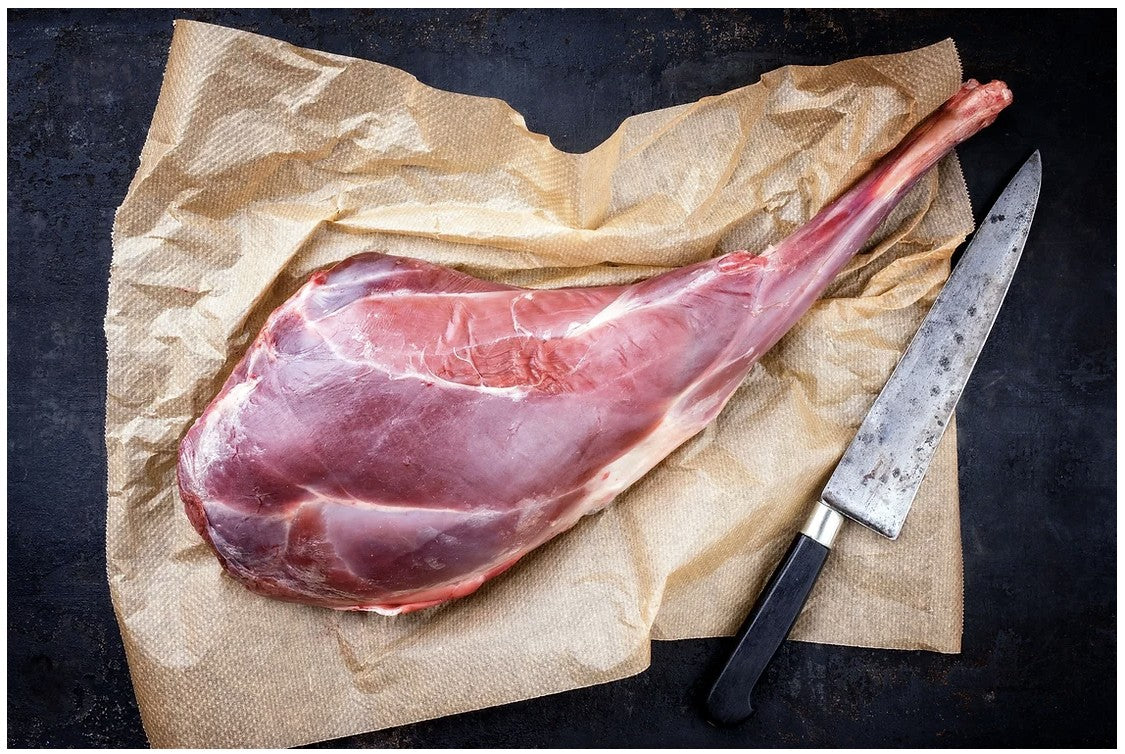
Venison and sweet potato with zucchini and kale
500 g lean diced venison (3-5% fat)
300 g sweet potato (including peel)
100 g zucchini
80 g kale
1 mL marine algae oil (optional)
4 teaspoons hemp seed oil
40 g CompleteMe® Puppy
Turkey and oats with carrot, apple and spinach
500 g turkey mince (6% fat e.g. Steggles)
300 g cooked or soaked oats
100 g carrot fresh or frozen)
50 g spinach (fresh or frozen)
30 g apple (including peel)
1 mL marine algae oil
4 teaspoons hemp seed oil
40 g CompleteMe® Puppy
Kangaroo and quinoa with pumpkin and green beans
500 g kangaroo mince (2-3% fat)
300 g cooked quinoa (weigh after cooking)
120 g pumpkin (peeled)
60 g green beans (fresh or frozen)
1 mL marine algae oil (optional)
4 teaspoons flaxseed oil
40 g CompleteMe® Puppy
Pork and sweet potato with cauliflower, blueberries and kale
500 g extra-lean pork mince (5% fat)
300 g sweet potato (including peel)
100 g cauliflower (fresh or frozen)
40 g kale (fresh or frozen)
40 g blueberries (fresh or frozen)
4 teaspoons hemp seed oil
40 g CompleteMe® Puppy
Feeding guidelines
Puppies have very different energy requirements based on their size, age, body condition, and activity level.
Toy/mini breeds (adult weight <5 kg)
- 1-2 months-old: 100-330 g
- 3-4 months old: 150-550 g
- 5-6 months old: 240-650 g
- 7-8 months-old: 230-700 g
- 9-10 months old: 120-500 g
- 11-12 months old: 110-350 g
Small breeds (adult weight 5-10 kg)
- 1-2 months-old: 200-600 g
- 3-4 months old: 250-800 g
- 5-6 months old: 350-1100 g
- 7-8 months-old: 450-1200 g
- 9-10 months old: 250-900 g
- 11-12 months old: 220-600 g
Medium breeds (adult weight 10-25 kg)
- 1-2 months-old: 350-800 g
- 3-4 months old: 450-1300 g
- 5-6 months old: 600-2000 g
- 7-8 months-old: 800-2200 g
- 9-10 months old: 440-2000 g
- 11-12 months old: 350-1100 g
Large breeds (adult weight 25-45 kg)
- 1-2 months-old: 450-900 g
- 3-4 months old: 650-2500 g
- 5-6 months old: 1000-3200 g
- 7-8 months-old: 1300-3600 g
- 9-10 months old: 1000-4000 g
- 11-12 months old: 750-3700 g
- 12-14 months old: 700-2500 g
- 15-16 months old: 700-1800 g
Giant breeds (adult weight 45-80 kg)
- 1-2 months-old: 600-1500 g
- 3-4 months old: 1300-3300 g
- 5-6 months old: 2000-4100 g
- 7-8 months-old: 2200-4500 g
- 9-10 months old: 2500-5500 g
- 11-12 months old: 2300-6000 g
- 12-14 months old: 1300-6700 g
- 15-16 months old: 1100-6000 g
- 17-18 months old: 1000-5800 g
- 19-20 months old: 1000-4500 g
- 21-22 months old: 1000-3500 g
- 23-24 months old: 1000-2800 g
Feeding quantities are estimates, and are based on fresh food which contains significantly higher moisture than dry food.The energy density of the diet will also change depending on the ingredients you select (lower fat = less energy dense = more food is needed).
We recommend feeding multiple meals per day, depending on age. Using puppy growth charts can be helpful in monitoring for too rapid or stunted growth. Discuss with your veterinarian ways to ensure your puppy is growing at their optimal rate.
Learn how to quickly body condition score your puppy here.
Nutritional information
Food made as per the instructions above is complete and balanced, and is formulated to meet the nutritional levels established by the AAFCO Dog Food Nutrient Profiles for growth/all life stages including growth of large-size dogs (70 lbs or more as an adult).
For adult dogs, we recommend CompleteMe® Hypo Canine and its flexible feeding guide for dogs with food sensitivities.
The average kcal/gram for the diet is: 1.25 kcal/gram
The average protein for the diet is:
41% on a dry matter basis
80-105 g per 1000 kcal ME
The average fat for the diet is:
14% on a dry matter basis
30-48 g per 1000 kcal ME
The average phosphorus in the diet is:
0.9-1.1% on a dry matter basis
2.5-2.8 g per 1000 kcal ME
The average calcium in the diet is:
1.4-1.6% on a dry matter basis
3.0-3.5 g per 1000 kcal ME
The average calcium to phosphorus ratio is 1.4-1.6:1
All possible combinations are high in protein, high in moisture, and high in fibre, antioxidants and omega-3.
FAQs
What meats can I use?
A large number of meats and cuts can be used with CompleteMe Puppy. For puppies with food sensitivities or allergies needing a novel or limited protein diet, choose a meat that your puppy has never eaten before. You can also use well-tolerated meats, if you already know what your puppy does well on.
If feeding the diet long-term, we recommend introducing other proteins slowly, to see if they are tolerated. Variety is important; we recommend feeding a range of different meat types and cuts. Try to include different textures as well, for example, chunks, small strips, mince, etc.
- Poultry:
Skinless and boneless chicken thigh, drumstick or breast, mince (2-3% fat), gizzards, hearts (fat trimmed off)
Skinless and boneless turkey or duck breast or turkey mince (6% fat) - Pork:
Lean pork mince or diced pork loin with 5% fat, rump steak (trimmed) - Lamb, beef, goat, or venison:
Extra-lean diced lamb or goat meat (including heart or tongue) with 5% fat
Lean venison fillet or steak (e.g. shoulder, backstrap, rump eye, leg steak)
Extra-lean (5 star) beef mince, gravy or chuck beef with 5% fat, blade, round or rump steak (fat trimmed off), eye fillet or topside roast or steak (fat trimmed off)
Lamb or beef heart (fat trimmed off) - Other game meat:
Lean kangaroo mince or steak with 2-3% fat
Wallaby mince, striploin or boneless leg
Wild or farmed boneless rabbit or hare meat
Emu fan fillet, full rump or flat fillet (1-5% fat)
Wild boar backstrap, boneless leg, or loin chops
Crocodile, tail or leg meat (2-5% fat)
Horse, steak or fillet (3-5% fat)
Tahr, fillet, steak, mince or striploin (2-5% fat)
Buffalo, very lean steak or fillet (5% fat)
Elk striploin, boneless shoulder or mince (2-4% fat)
Unfortunately, using fish exclusively results in a diet that is too high in vitamin D, exceeding the AAFCO safe upper limit. We would therefore not recommend feeding fish exclusively as part of this recipe.
We recommend only using wild game meat occasionally, if possible. This is because of the potential risk of lead contamination of game meat shot with lead ammunition. You can read more about this here.
Which vegetables and fruits are safe for puppies?
For vegetables, try pumpkin, sweet potato, broccoli, cauliflower, green beans, green peas, carrot, zucchini, squash, spinach, kale, turnips, parsnips, watercress, Asian greens, mushrooms, tomato, capsicum or cabbage.
Both fresh and frozen vegetables are fine. We recommend steaming or microwaving for most vegetables, however baking can also work well sometimes.
For fruit, try blueberries, apple, strawberries, pear, blackberries, kiwifruit, papaya, mango, peach, plum, raspberries, or pineapple. Be careful to remove all seeds, stones and pips, and don't feed toxic fruit like grapes.
For pups with allergies, we usually recommend starting simple, so don't add too many vegetables or fruit, and/or change them all the time. Similar to people, some pups may tolerate cruciferous vegetables like broccoli, cabbage or cauliflower poorly, especially in larger quantities. Zucchini, apple, spinach, carrots, green beans and sweet potato are a good place to start for most pups.
Can I just use one meat and one carbohydrate, with added oils and CompleteMe Puppy?
Yes, you can create a very simple diet using our recipe, with only one meat and one carbohydrate. For example, goat and sweet potato with oils and CompleteMe Puppy. Or venison and quinoa with oils and CompleteMe Puppy.
This is a traditional approach to a novel protein diet trial, and one that can work well for some puppies. However we have also seen good results with novel protein diets that include 2-3 vegetables and/or fruit as well. This enriches the diet with different types of fibre and antioxidants, and may help to improve inflammation in the gut, and promote the growth of beneficial species of gut bacteria.
How can I store the food?
This makes just over 1 kilogram of food, which can be portioned and fed immediately, or stored in the fridge (max 3 days) or freezer (max 3 months) until needed.
What omega-3 oils can I use?
For puppies with allergies, we recommend marine algae oil as a source of omega-3 fatty acids (EPA and DHA), because it doesn't contain any animal-derived proteins that could be potential allergens. Here are some options to consider:
- Dog by Dr Lisa omega-3 drops
- Wanderlust plant omega-3 capsules
- Sports Research vegan omega-3 softgels
- Clinicians vegan omega-3 algae oil
When choosing a product, try to choose an algae oil with DHA and EPA. Avoid any products with added flavourings. Capsules can last longer than bottled oils, because bottled oils are exposed to more air and oxidise more quickly. Some products contain added carrageenan, which many clients may prefer to avoid.
Can I use raw meat?
You can include the meat raw or cooked, depending on preference. For raw human-grade meat, be sure to freeze the meat for 10 days prior to use. For wild-caught meats or pork (in areas with Trichinella, freezing for 3 weeks prior to use is sensible.
For pups with gastrointestinal signs, we routinely recommend cooking all meat, to reduce the risk of bacterial and parasitic contamination. If signs are ongoing on a raw meat diet, it is difficult to know if this is due to allergies, or problems with the raw meat.
Can this be fed to healthy puppies with no allergies?
Yes, it's fine to feed this diet to healthy puppies as well, if you would like to.
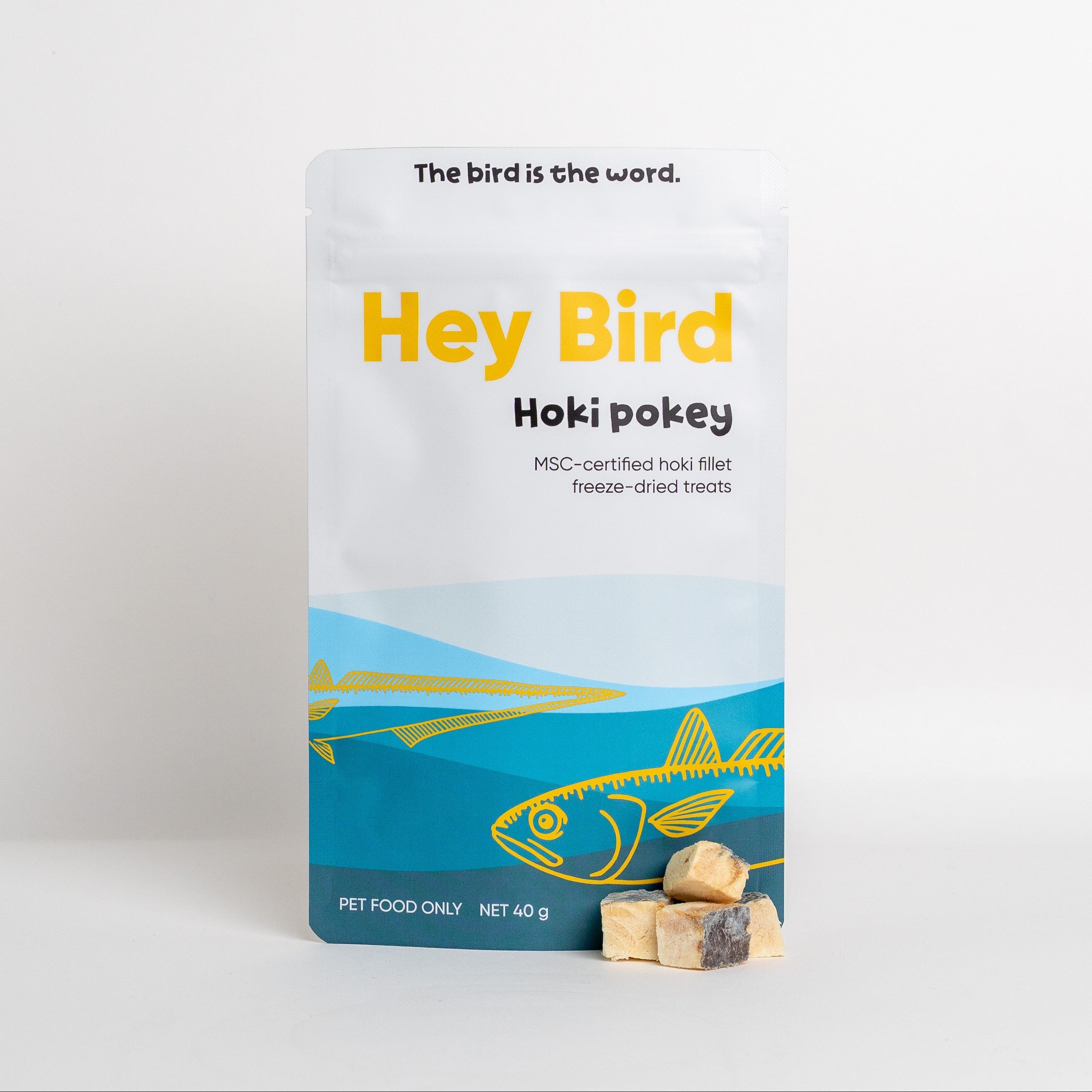
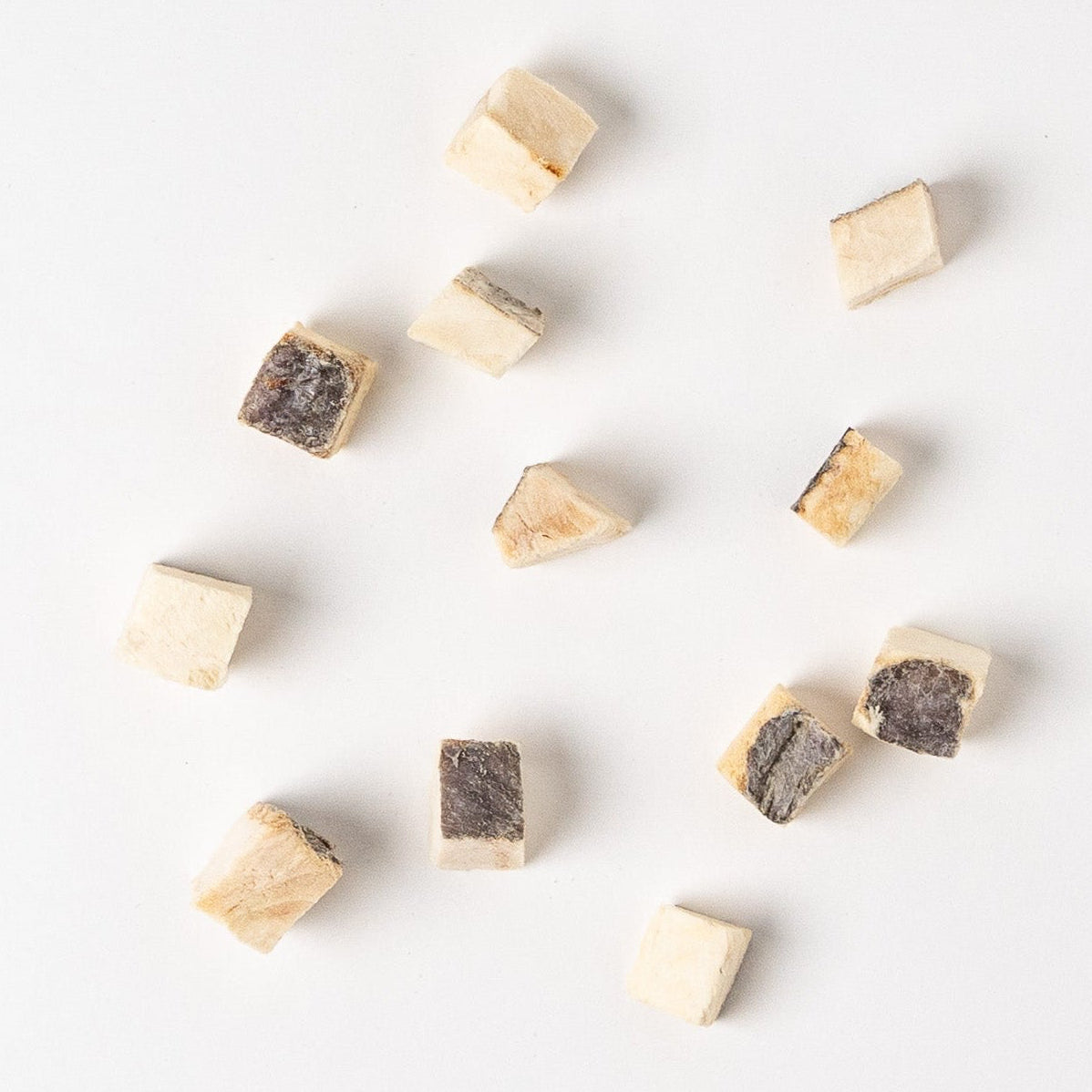
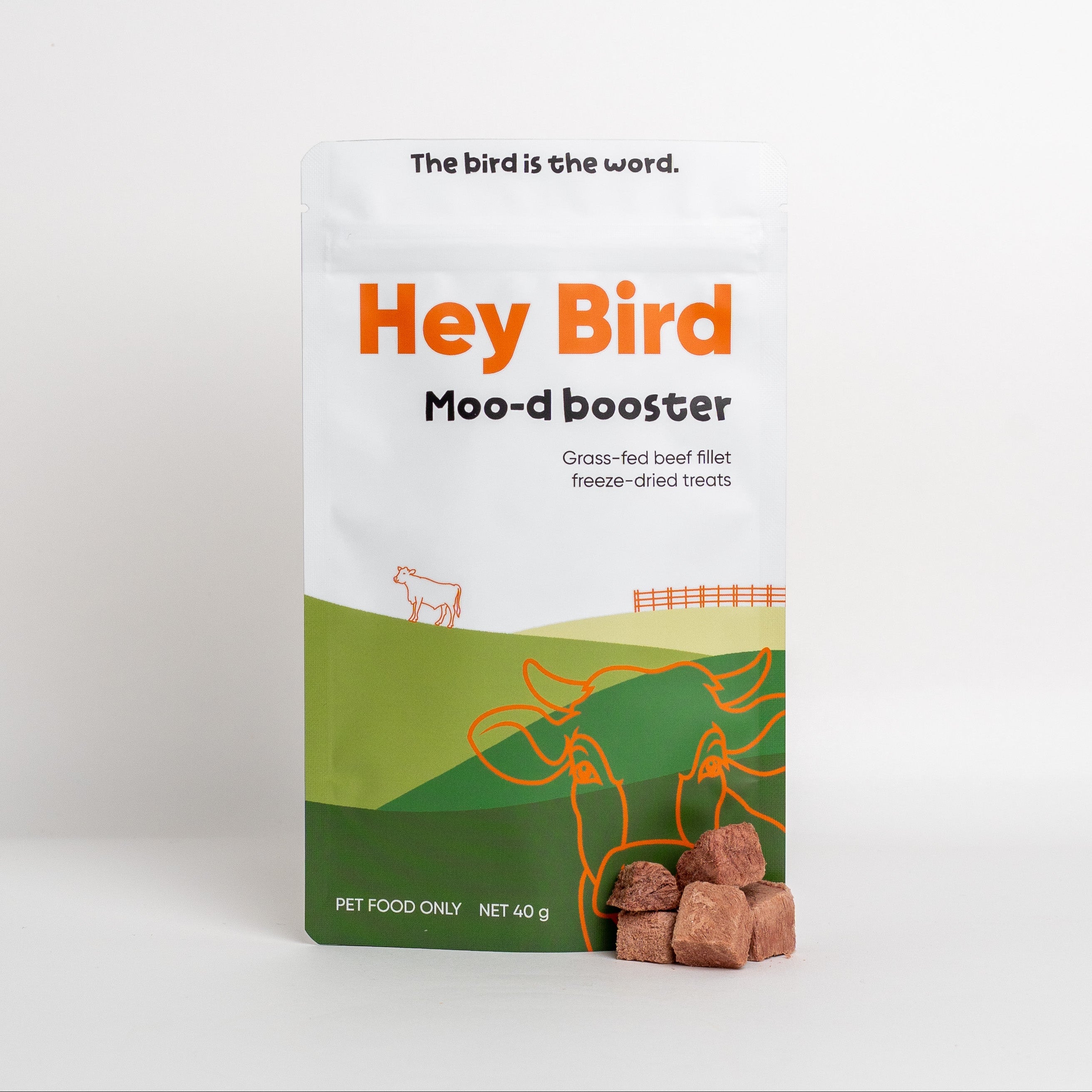
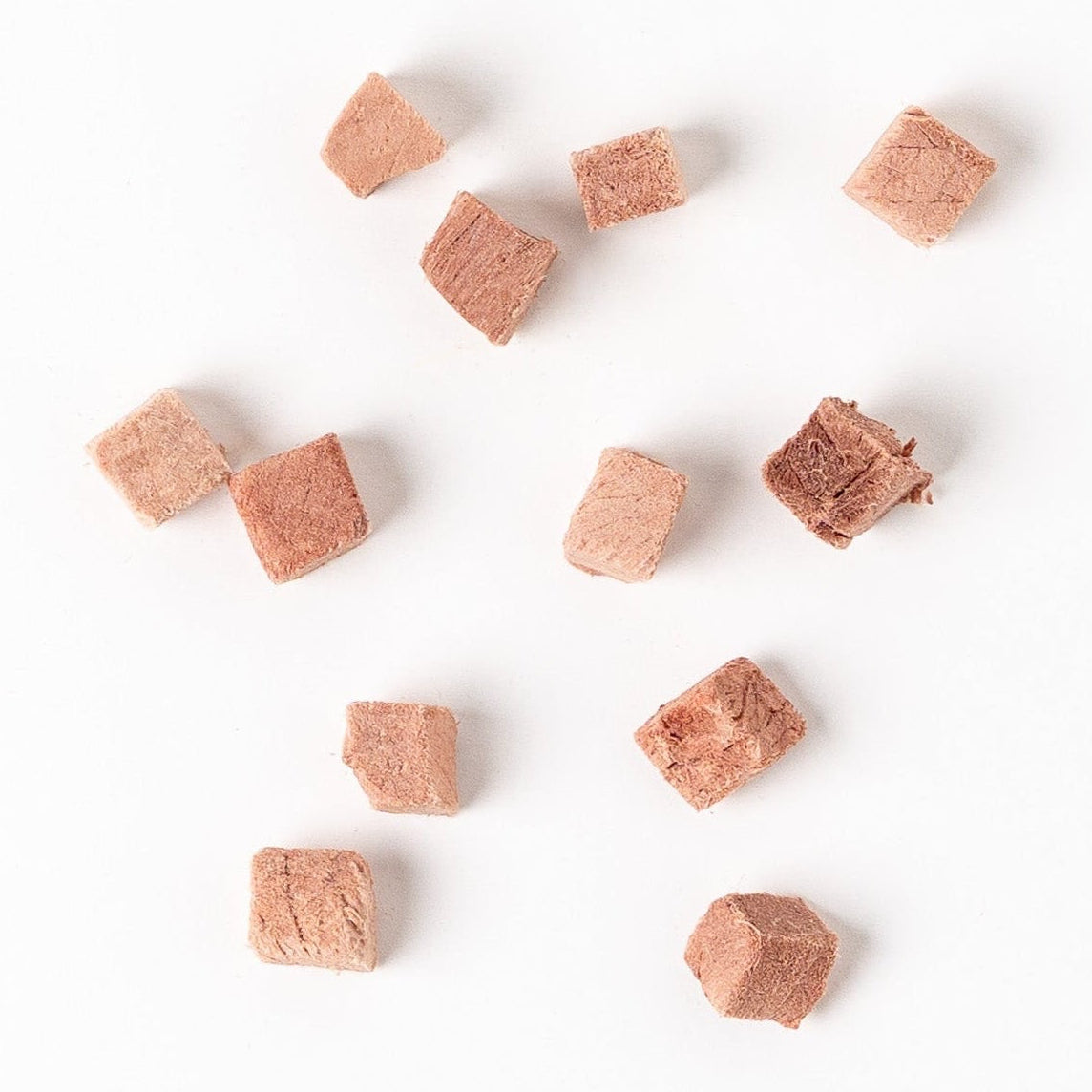
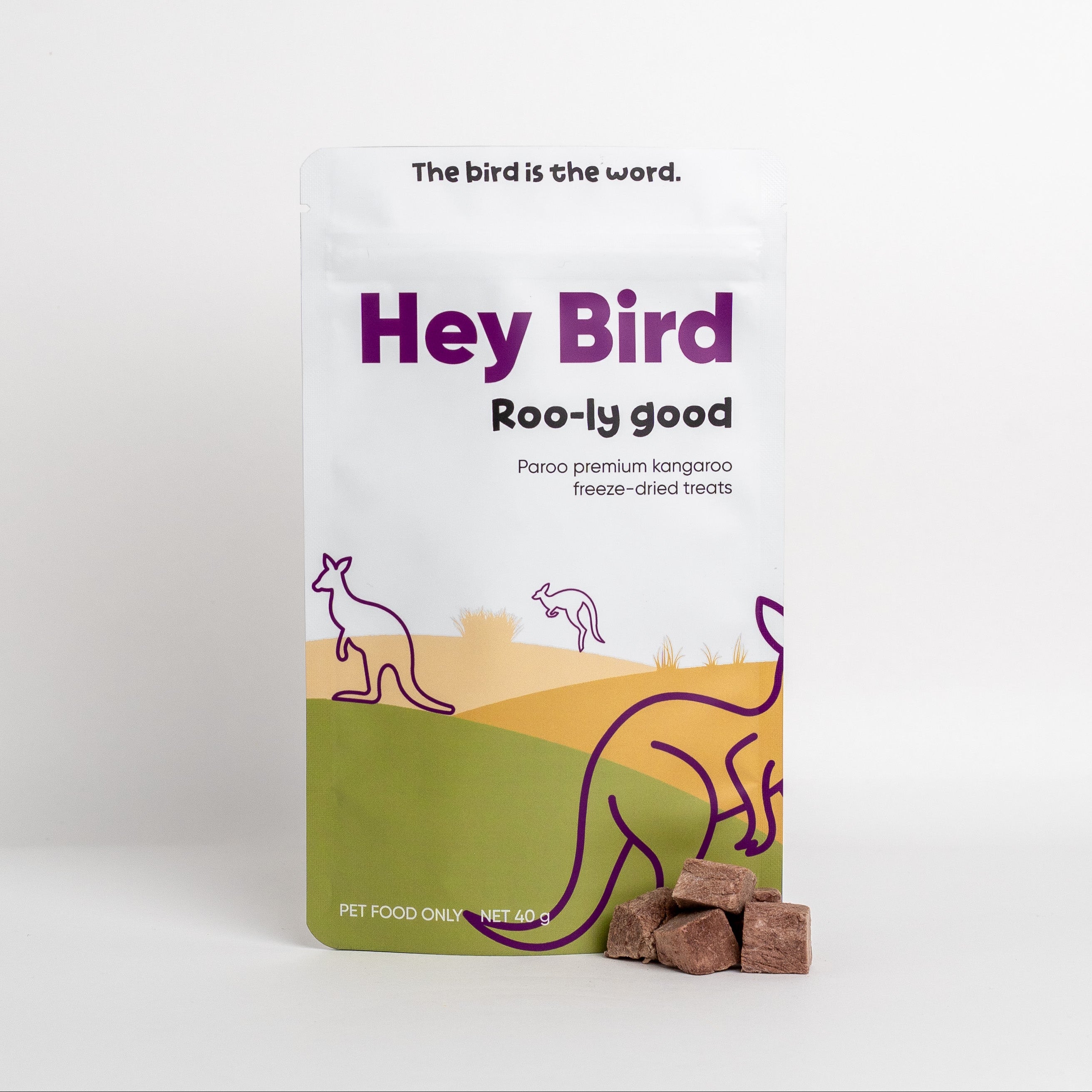
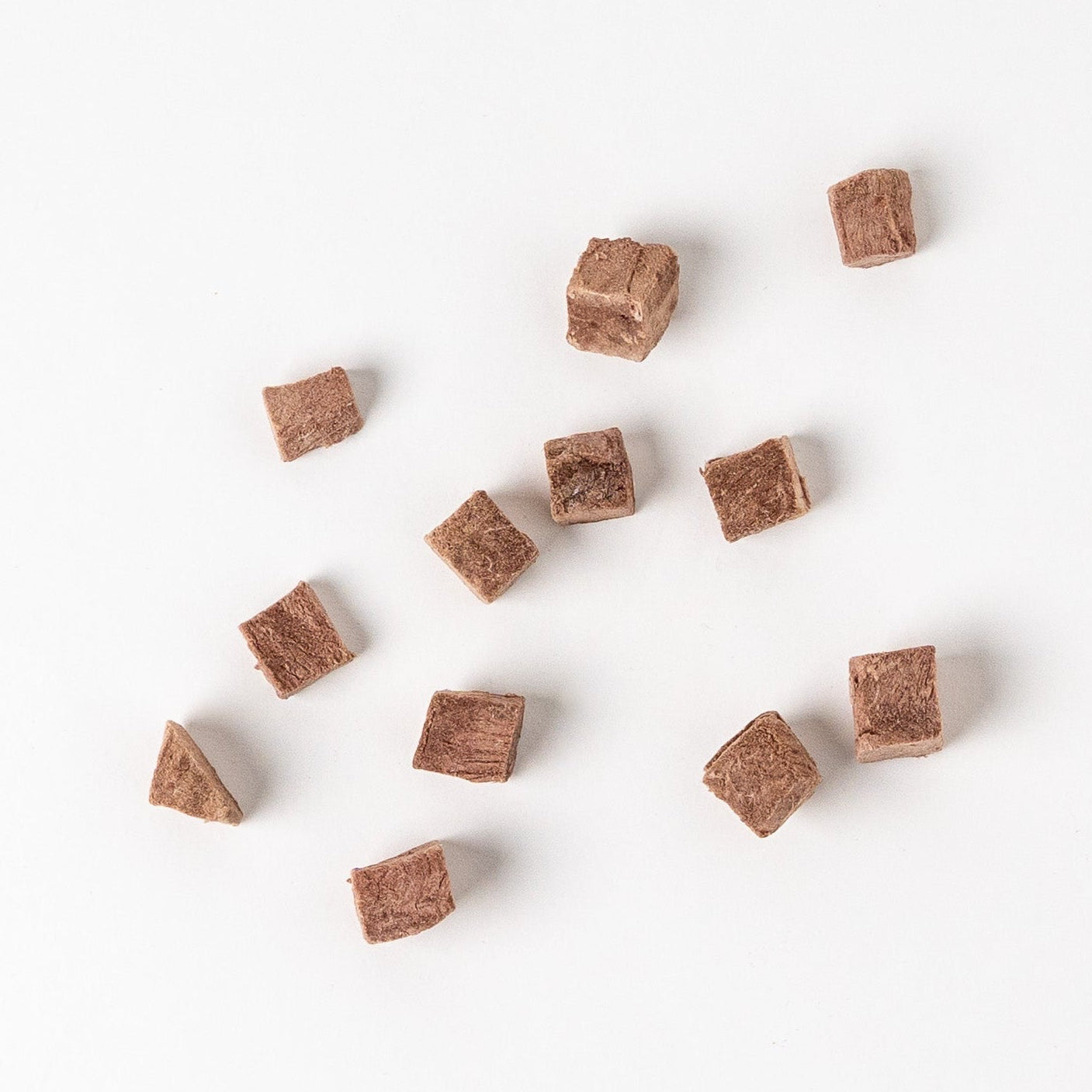
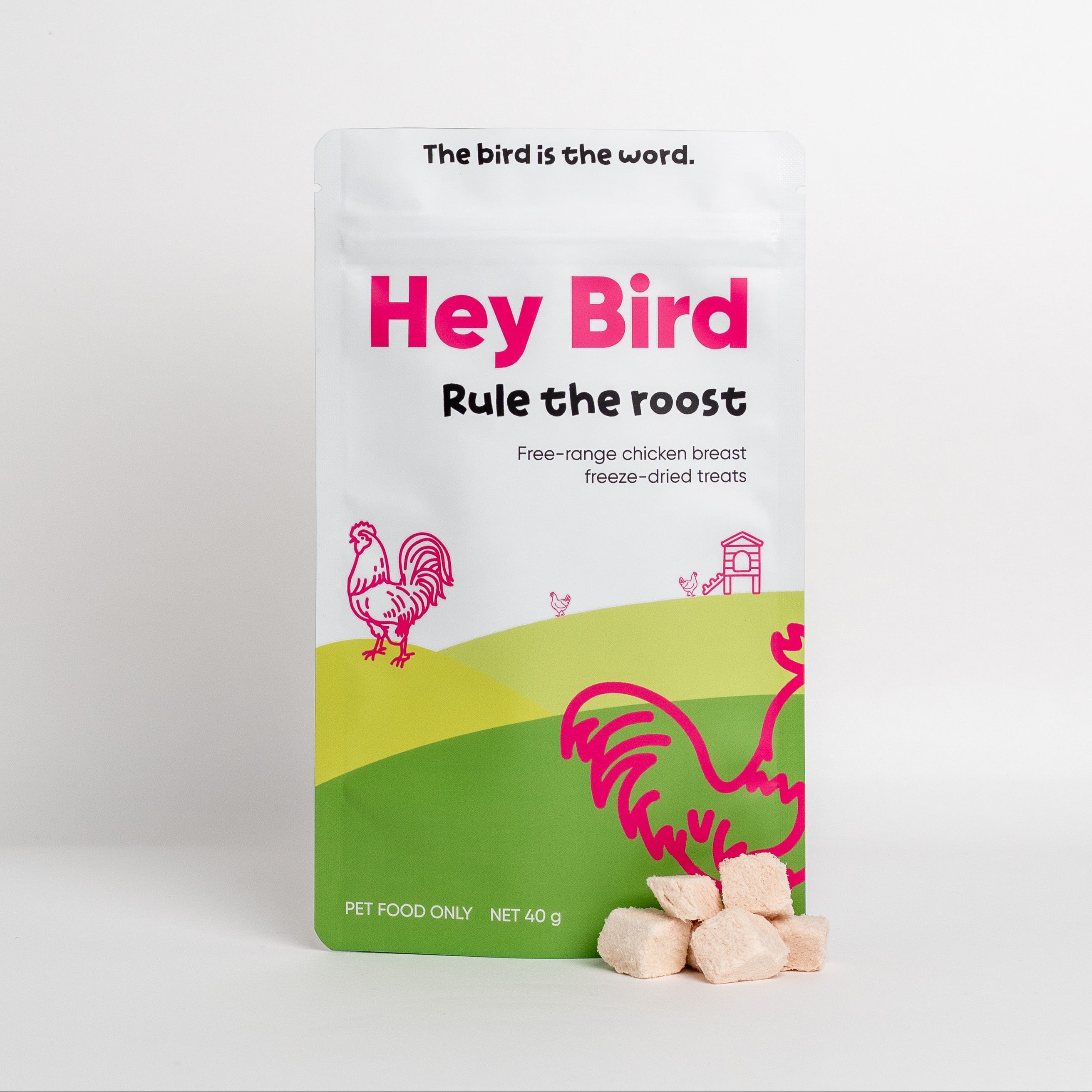
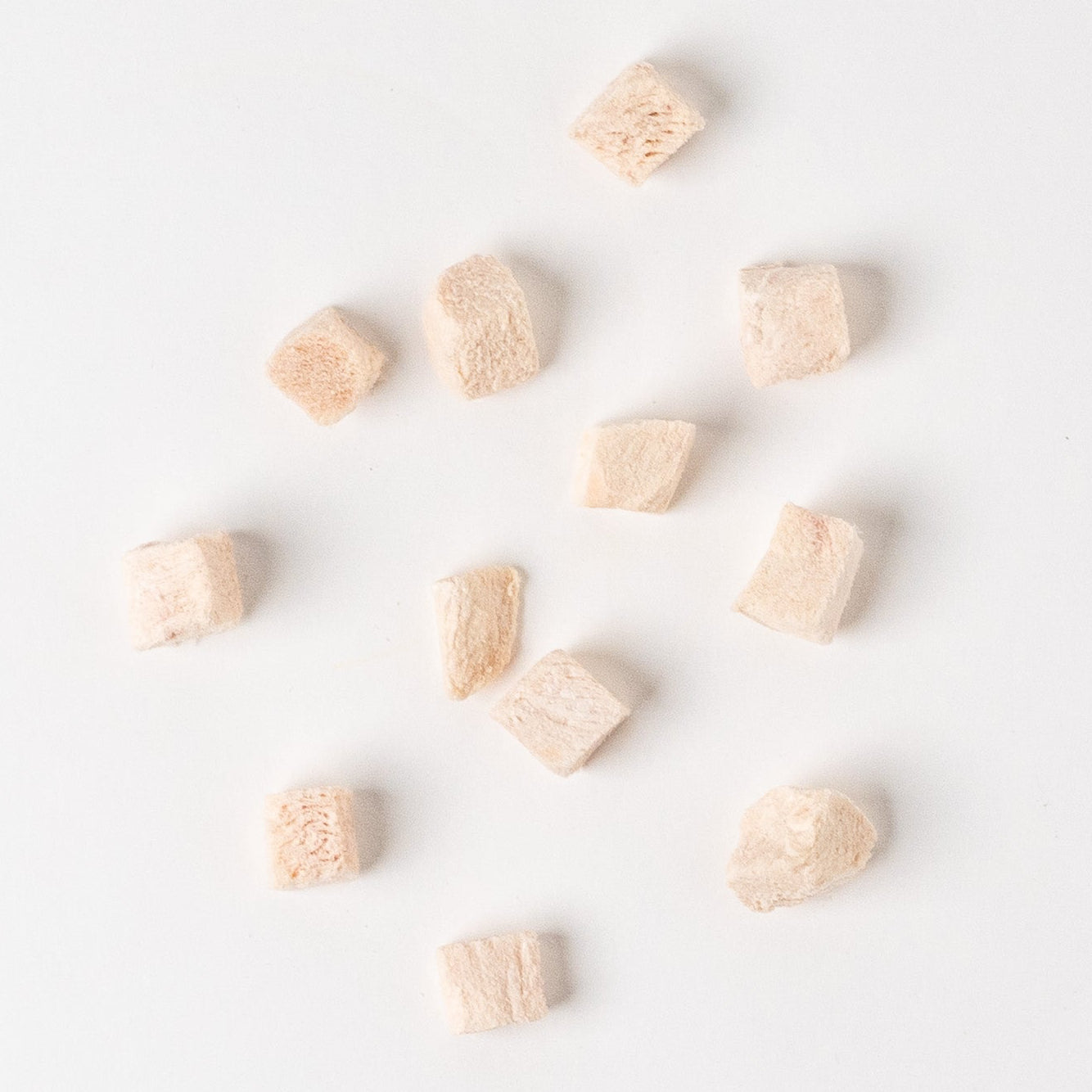
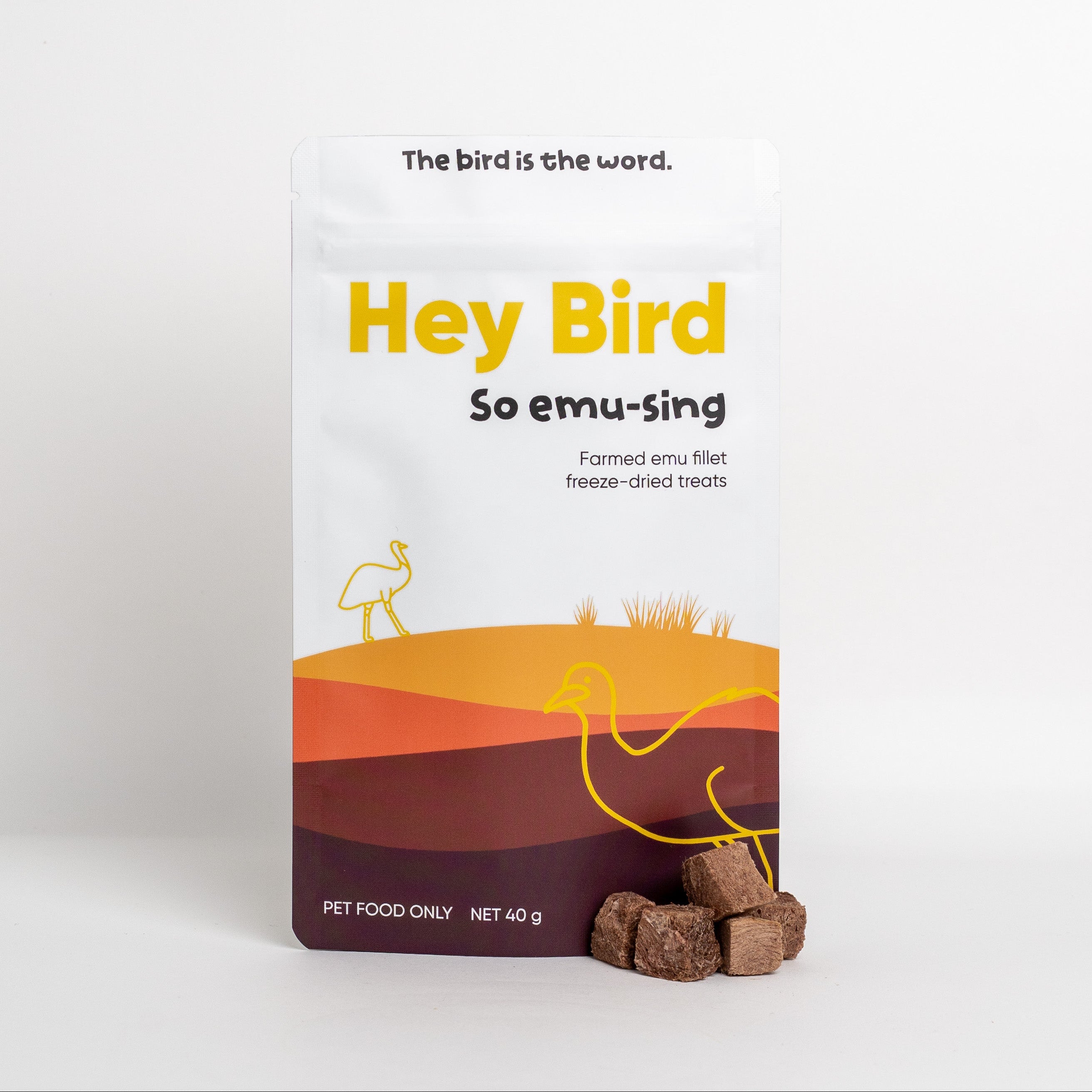
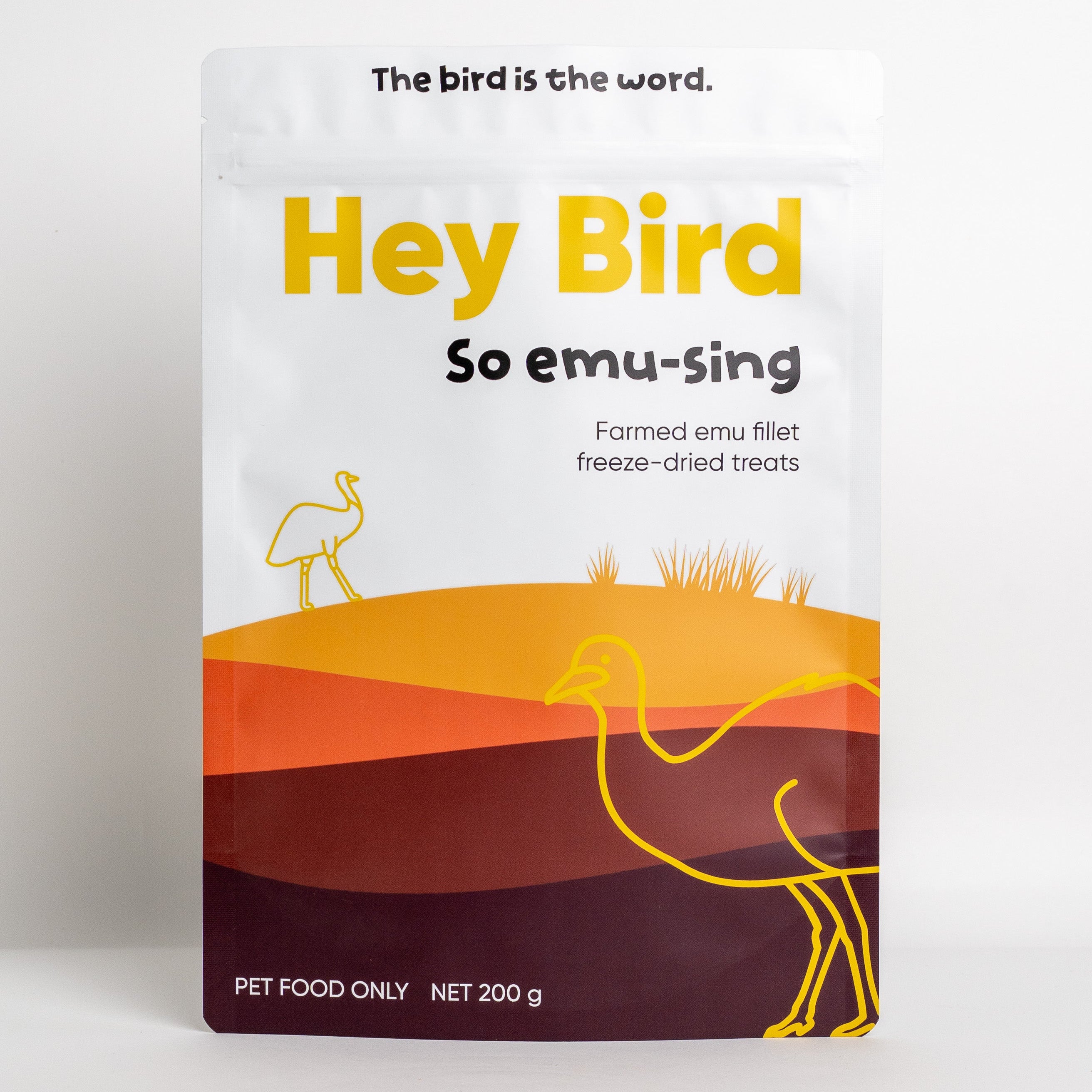
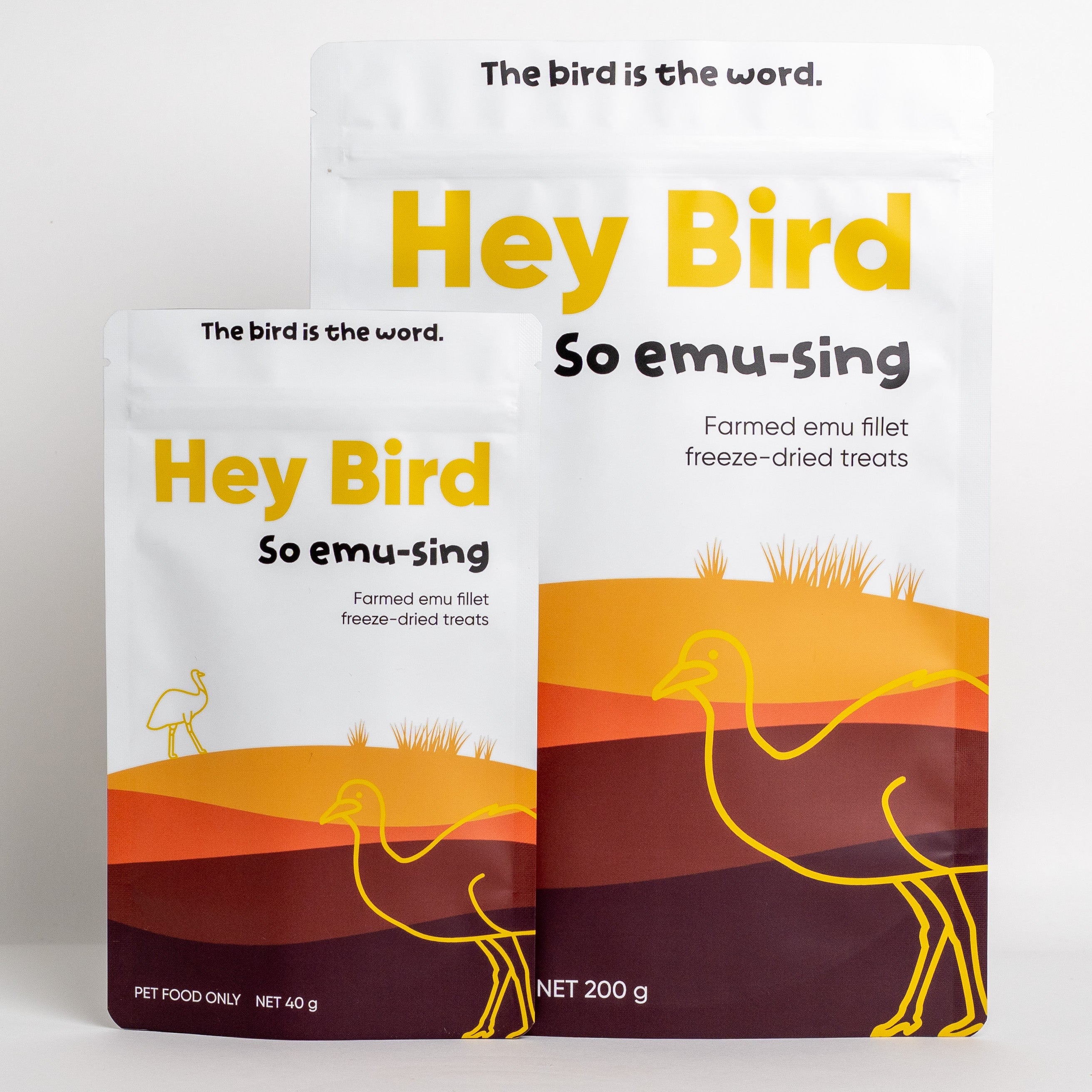
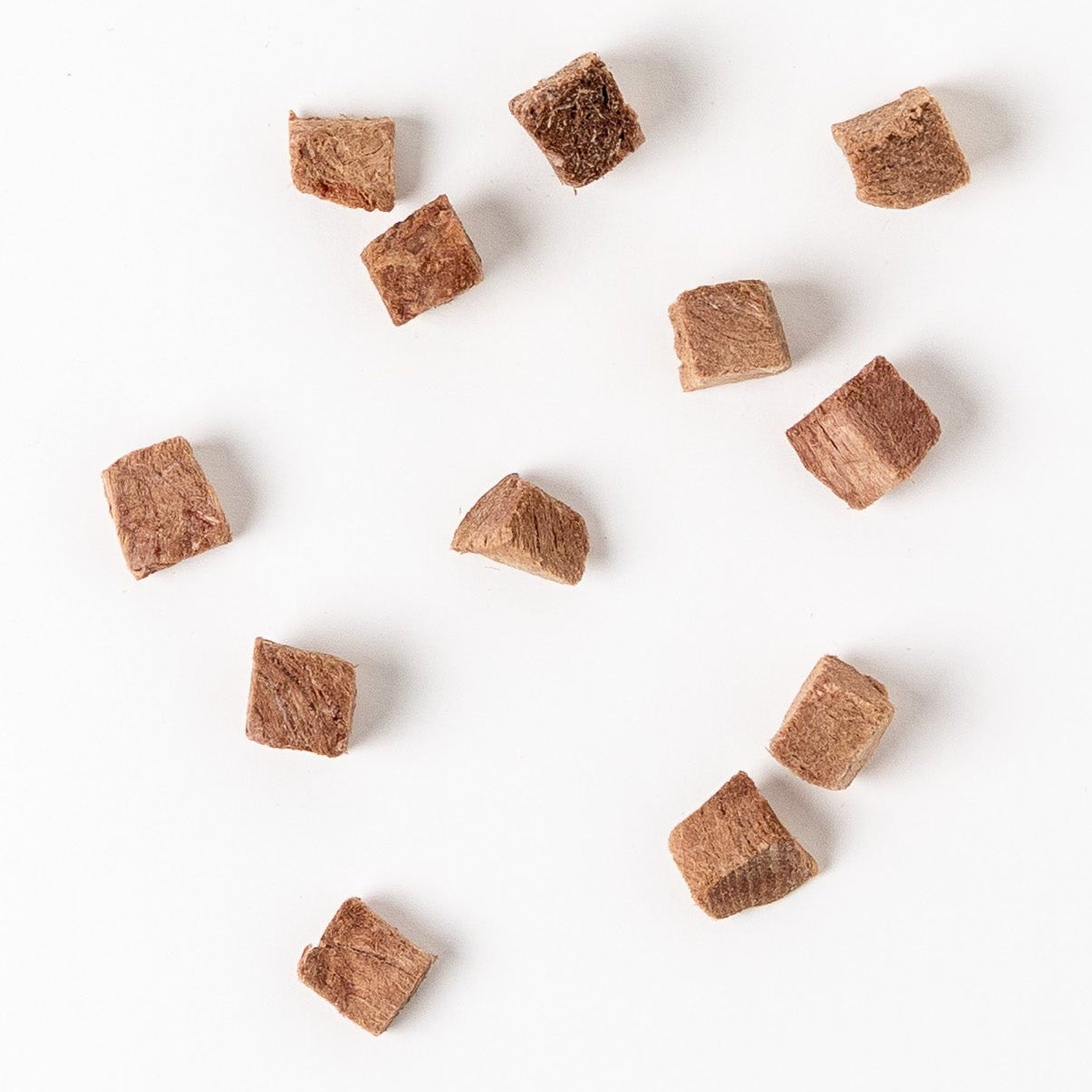
Single protein treats for training and play