
Raw meat-based feeding guide for healthy adult dogs
With CompleteMe® Canine
Make balanced and nutritious high protein, raw dog food at home quickly and easily.
Choose the meat, offal and other ingredients you would like to use with our simple, flexible guide.
Makes 1 kilogram of food, which can be portioned and frozen.
Ingredients
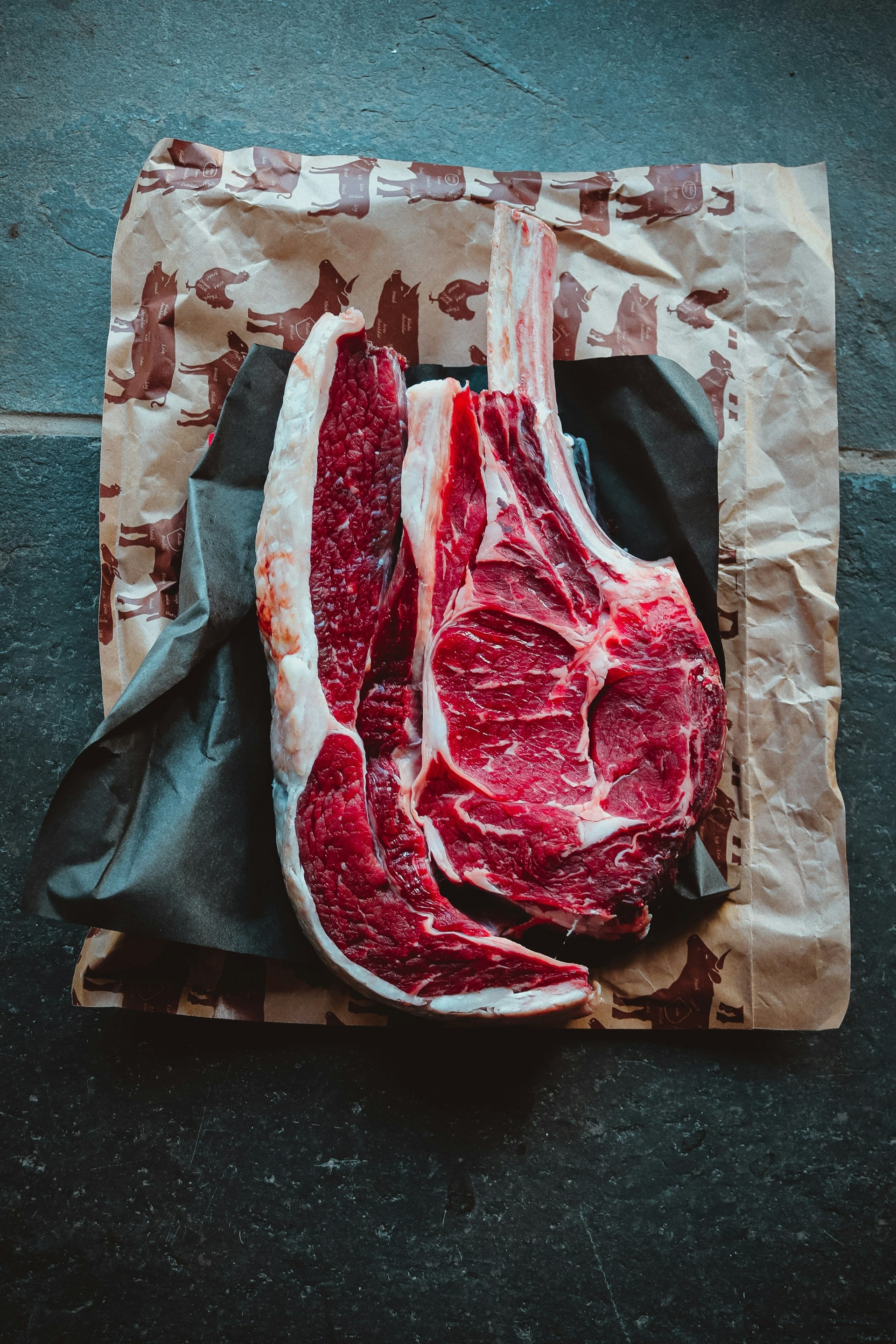
650 grams of lean muscle meat (2-8% fat)
(see FAQs below for recommended meat types and cuts)
100 grams of heart, gizzards, tripe, or tongue
(choose from chicken, turkey or duck hearts or gizzards, lamb or beef tongue, lamb, beef or goat heart, or beef, goat or lamb tripe. Try to rotate between different choices)
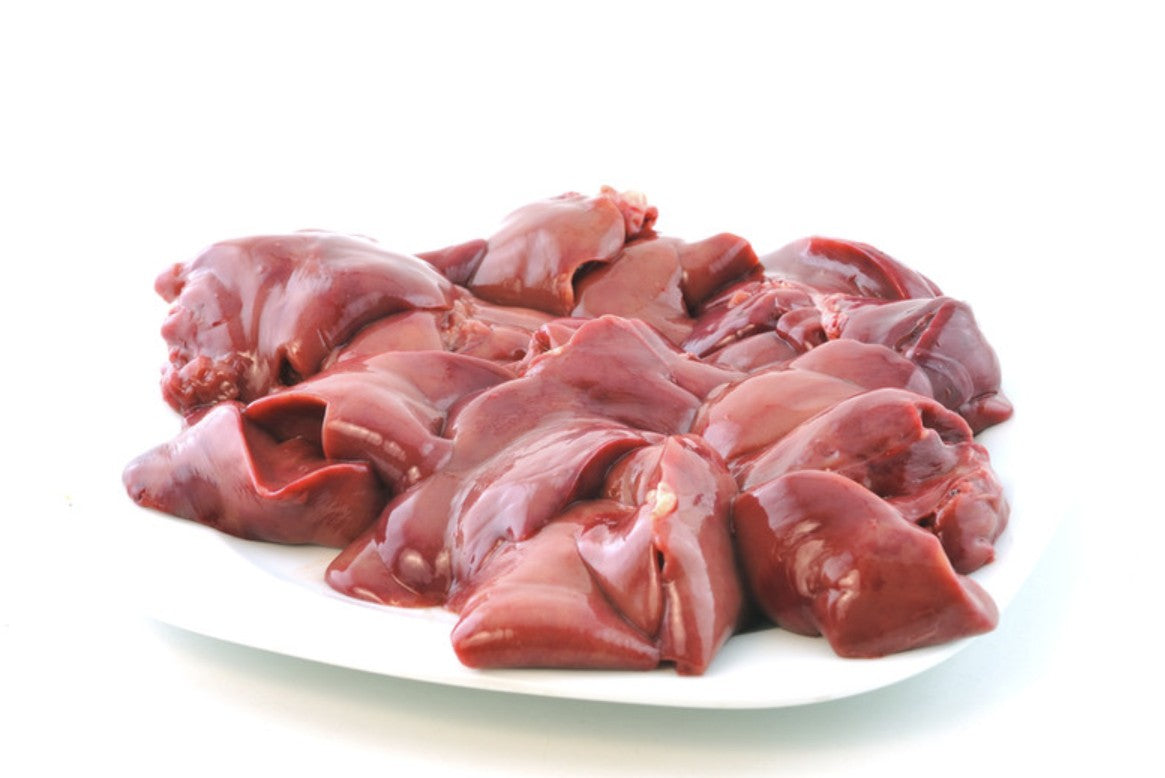
50 grams of raw liver
(choose from: chicken, turkey, beef, lamb, goat or duck liver. Try to rotate between different choices)
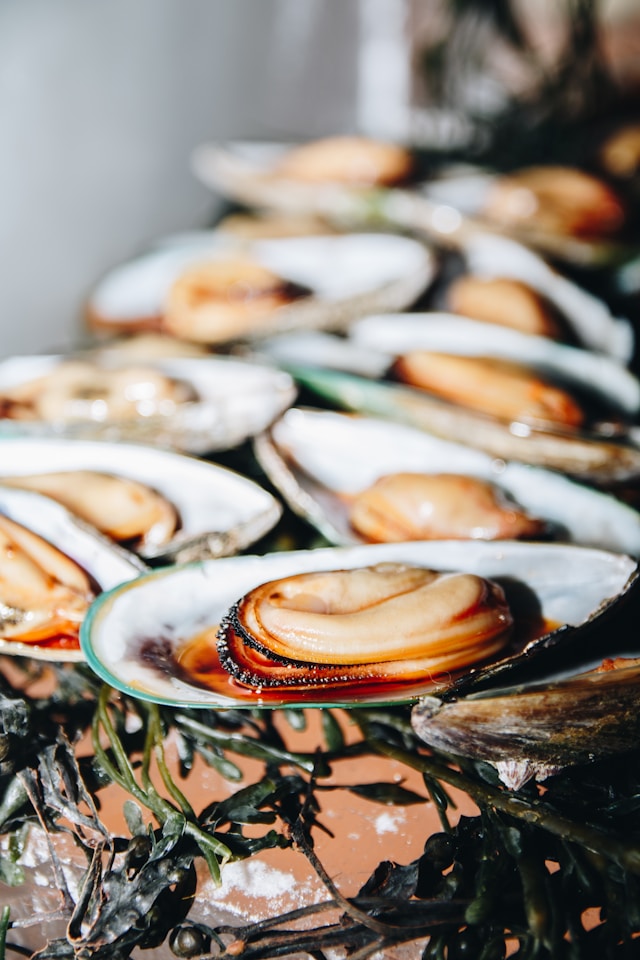
75 grams of sardines or mackerel (canned in spring water), or fresh-cooked or canned blue or green-lipped mussels (no shells)
(Typically a 110 gram can will contain ~75 grams of sardines. You can include the whole can contents, if you want to, or remove the water)
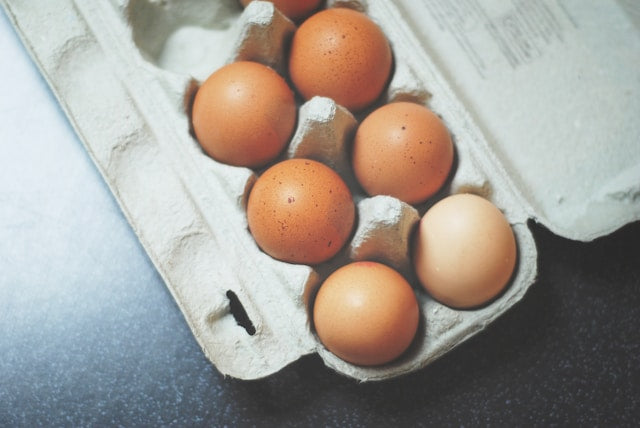
2 large chicken eggs (50 grams each; including the white, yolk, and membrane, plus the shell from one egg only)
1 teaspoon of cold-pressed hemp seed oil or walnut oil
(Essential omega-6 fatty acids for healthy skin and a shiny coat. Poultry provides plenty of omega-6, but beef, lamb and kangaroo can be low in this).
2 level teaspoons of CompleteMe® Canine
(Measuring the CompleteMe Canine in grams is the most accurate method, however if you would prefer to use teaspoons, 8.5 grams = 2 level teaspoons)
Optional/recommended:
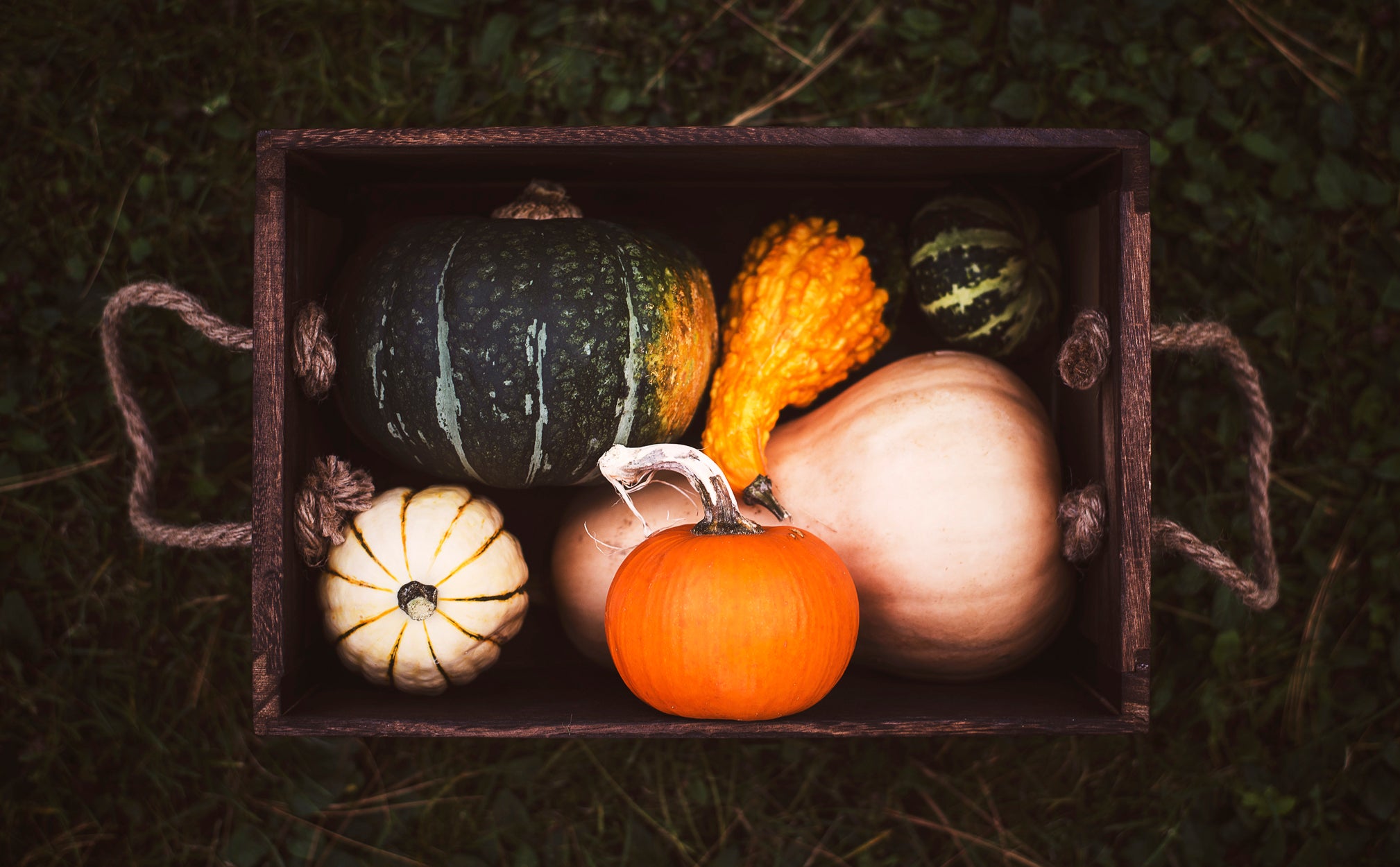
50-150 grams of mixed vegetables and fruit, especially berries, leafy greens, kiwifruit, papaya, carrot, pumpkin, or other antioxidant-rich foods
1-4 teaspoons of any fibre supplement
(choose from: psyllium husk, oat bran, barley bran, ground flaxseeds, chia seeds, hemp seeds, etc.)
1-2 tablespoons of any of the following:
Fresh herbs, bone broth, fermented vegetables, goats milk, natural yoghurt, plain kefir, ginger or turmeric (maximum ¼ teaspoon recommended), or organic soy sauce or miso paste (maximum ½ teaspoon recommended)
Directions
- Wash hands carefully, and prepare your kitchen space and storage containers. Dice or mince the raw muscle meat, raw liver, and other raw offal, then mix well.
- Add the two eggs (white, yolk and membranes), and the shell from one egg only. Break up the shell into small pieces before mixing in.
- Add the sardines and hemp seed oil, and mix again.
- Add any optional extras, such as fibre, or fruit and vegetables.
- Allow to cool then add 8.5 grams of CompleteMe® Canine (2 level teaspoons) and mix again.
- Portion and refrigerate, or freeze as desired.
Feeding bones
You may choose to feed your dog bones for enrichment or dental benefits. Please be aware of the risks of feeding bones, including dental fractures, oesophageal trauma or perforation, constipation or complete blockage of the gut, or trauma or perforation of the intestine.
If you choose to feed bones, be sure to select size-appropriate options for your dog. Safer choices may include fresh lamb ribs, chicken, turkey or duck necks, beef brisket, or chicken wings. Remember that:
- Cooked bones should never be given to dogs
- Bones should never be given in small chunks as they could be swallowed
- Bones should only be given to dogs under direct supervision
- Bones should be almost as big as your dog’s head to reduce the risk of swallowing
- Machine-cut bones are too sharp to feed safely
- Large weight-bearing bones like beef femurs commonly cause tooth fractures. It can be good for your dog to chew the meat off the bone, but then the bone should be removed
If you choose to feed bones with this diet, we recommend a maximum of 1-2 bones per week, because the diet already contains enough calcium and phosphorus. Remember that there are other ways of providing enrichment, and looking after your dog's teeth - which may be associated with less risk.
Raw feeding safety and food storage
Do not add CompleteMe Canine to any commercial dog food, or use with any other nutritional supplements (containing vitamins and/or minerals).
However, it is safe to feed a balanced homemade diet with a balanced commercial diet. For example, you could choose to feed 50% homemade raw diet, and 50% air-dried diet.
For raw meat, freeze for 10 days before use to destroy parasites like Toxoplasma. In areas with Trichinella, please freeze pork for 3 weeks before use. Be aware of the risks of feeding raw chicken (for example, harmful bacteria like salmonella and campylobacter species) These bacteria are not destroyed by freezing. Your local vet can give you more information on raw-feeding and whether it is right for your dog and household.
Larger batches can be made and frozen for convenience. Keep refrigerated food for 3 days, and frozen food for 3-4 months. We recommend defrosting food in the fridge or in a warm water bath. Please discard any uneaten food after 30 minutes.
Can I cook the food?
Yes, it's fine to cook the meat, offal and eggs. Cooked diets can suit some dogs much better, especially senior dogs. You can gently steam or slow-cook the meat and offal in a pot (and any vegetables), before adding the eggs in the last 5 minutes. Allow to cool, then add the sardines, oil, and CompleteMe Canine, and mix well. Portion and freeze.
Some of our favourite combos ...
Chicken and kangaroo with mackerel, chicken hearts and liver
350 g skinless chicken breast
300 g kangaroo mince
100 g chicken hearts
50 g chicken liver
75 g mackerel (canned in spring water)
2 whole eggs (including one egg shell)
1 tsp hemp seed oil
50 grams mixed berries
2 tbsp natural yoghurt
2 level teaspoons of CompleteMe® Canine (8.5 grams)
Kangaroo and beef offal with sardines, pumpkin and kale
650 g kangaroo mince
100 g beef heart
50 g beef liver
75 g sardines (canned in spring water)
2 whole eggs (including one egg shell)
100 g pumpkin
30 g kale
1 tsp hemp seed oil
1/4 tsp ground turmeric
2 level teaspoons of CompleteMe® Canine (8.5 grams)
Chicken thigh and gizzards with mussels, chicken hearts and liver
650 g chicken thigh (skinless and boneless)
50 g chicken gizzards
50 g chicken hearts
50 g chicken liver
75 g cooked green-lipped mussels (no shell)
2 whole eggs (including one egg shell)
50 g carrot (fresh or frozen)
50 g apple (including peel)
1 tsp hemp seed oil
2 level teaspoons of CompleteMe® Canine (8.5 grams)
Pork and chicken with sardines, lamb heart and liver
400 g extra-lean pork mince (5% fat)
250 g chicken breast mince (2-3% fat; no bone or offal)
100 g lamb heart
50 g lamb liver
75 g sardines (canned in spring water)
2 whole eggs (including one egg shell)
1 tsp hemp seed oil
50 g leafy greens
25 g kiwifruit
3 tsp plain oat bran
2 level teaspoons of CompleteMe® Canine (8.5 grams)
Feeding guidelines
Toy/mini breeds (<5 kg): 150-300 g/day
Small breeds (5-10 kg): 250-650 g/day
Medium breeds (10-25 kg): 600-1200 g/day
Large breeds (25-45 kg): 1100-2000 g/day
Giant breeds (45-80 kg): 1500-3500 g/day
Feeding quantities are estimates, and are based on fresh food which contains significantly higher moisture than dry food. The energy density of the diet will also change depending on the ingredients you select (lower fat = less energy dense = more food is needed).
Adjust up or down the amount of food based on your dog's size, body condition, age, and activity level.
If your dog gains unwanted weight, reduce the amount you are feeding by 10-15% and reweigh after a week. If they have unwanted weight loss, increase the amount you are feeding by 10-15% and reweigh after a week. Continue to adjust until the right amount of food is determined. Please consult with your dog's veterinarian as needed.
Learn how to quickly body condition score your dog here.
Nutritional information
Food made as per the instructions above is complete and balanced, and meets the nutritional levels established by the AAFCO Dog Food Nutrient Profile for maintenance in adult dogs.
It is not suitable for growth and should not be fed to puppies or reproducing females, or dogs with medical conditions.
The average kcal/gram for the diet is: 1.3 kcal/gram
The average protein for the diet is:
70% on a dry matter basis
60% on a caloric basis
The average fat for the diet is:
14% on a dry matter basis
23% on a caloric basis
All possible combinations are very low in carbohydrate and high in moisture. Without added fruit/vegetables and fibre, the diet is very low in fibre. We recommend adding some plant ingredients and a source of fibre, to help promote normal stool consistency and ensure a healthy microbiome.
The diet contains a moderate to low amount of omega-3, from the oily fish or mussels. If you have a senior dog, you may choose to add additional fish oil, krill oil or marine algae oil. Two or three 1000 mg capsules per 1-kg batch would be reasonable.
FAQs
What muscle meat can I use?
A large number of meats and cuts can be used with CompleteMe Canine. Variety is important; we strongly recommend feeding a range of different meat types and cuts. Don't exclusively feed very lean meats. 5% fat is a good everyday choice, with occasional higher and lower fat meats as well. Try to include different textures as well, for example, chunks, small strips, mince, etc.
- Poultry:
Skinless and boneless chicken thigh, drumstick or breast, mince (2-3% fat), gizzards, hearts (fat trimmed off)
Skinless and boneless turkey or duck breast or turkey mince (6% fat) - Pork:
Lean pork mince or diced pork loin with 5% fat, pork fillet, rump steak (untrimmed) - Lamb, beef, goat, or venison:
Extra-lean diced lamb or goat meat with 5% fat
Lean venison fillet or steak (e.g. shoulder, backstrap, rump eye, leg steak)
Extra-lean (5 star) beef mince, gravy or chuck beef with 5% fat, blade, round or rump steak (fat trimmed off), eye fillet or topside roast or steak (fat trimmed off) - Game meat:
Lean kangaroo or wallaby mince or steak with 2-3% fat
Wild or farmed boneless rabbit or hare meat
Emu fan fillet or flat fillet (1-3% fat)
Wild boar backstrap, boneless leg, or loin chops
Crocodile tail or leg meat
Lean buffalo mince or steak
Please note that we recommend that game meat (wild venison, rabbit, hare, goat, wild boar) is fed intermittently (not all the time). This is because there may be some risk of lead contamination from lead ammunition used to hunt game animals. Research is ongoing on this issue and we will do our best to keep our clients up-to-date.
What offal can I include?
For the offal component of the diet, we recommend using lamb, beef, goat, chicken, duck or turkey offal, if possible. This is because offal from game meat species may not be subject to the same level of processing (is not "human-grade"), may present a higher risk of parasites, and its nutritional analyses are not well established.
Which vegetables and fruits are safe for dogs?
For vegetables, try pumpkin, sweet potato, broccoli, cauliflower, green beans, green peas, carrot, zucchini, squash, spinach, kale, turnips, parsnips, watercress, Asian greens, mushrooms, tomato, capsicum or cabbage.
Both fresh and frozen vegetables are fine. We recommend steaming or microwaving for most vegetables, however baking can also work well sometimes.
For fruit, try strawberries, blueberries, raspberries, apple, pear, banana, mango, peach, plum, kiwifruit, guava, papaya, pineapple, watermelon, rockmelon or honeydew melon. Please be very careful to remove any pits or stones, and avoid toxic fruit like grapes, raisins or currants.
Do I need to add bones for the diet to be balanced?
No, you don't. Bones are an optional extra and a personal choice. You need to decide if the benefits of feeding bones outweigh the risks, and the answer to this can be different for different dogs. The diet contains enough calcium, phosphorus and other minerals without added bone.
How can I store the food?
This makes just over 1 kilogram of food, which can be portioned and fed immediately, or stored in the fridge (max 3 days) or freezer (max 3 months) until needed.
My dog needs a low fat diet; can I use this diet?
For a low fat diet, we recommend using CompleteMe Hypo Canine with our low-fat feeding guide. This will produce a diet with a fat content similar to prescription low-fat diets.
My dog has allergies, can I use novel proteins like emu or crocodile?
Yes, using novel proteins is fine. Please select proteins with 2-8% fat only. Some options could include:
Emu fan or flat fillet, or full rump
Crocodile tail or leg meat
Venison mince, fillet or steak
Wild boar shoulder (deboned) or mince
Lean diced boneless goat (visible fat trimmed off)
For the offal component of the diet, we still recommend using lamb, beef, goat, chicken, duck or turkey offal, if possible. This is because offal from game meat species may not be subject to the same level of processing (is not "human-grade"), may present a higher risk of parasites, and its nutritional analyses are not well established.
My dog doesn't like fish or mussels - can I leave this out?
We recommend adding oily fish or fresh-cooked mussels to provide a natural source of omega-3 in the diet, which is important for joint, skin, gut and brain health.
If you or your dog doesn't like canned fish, you could try:
- Freeze-dried green-lipped mussels (add 10-20 grams per 1 kg batch of food)
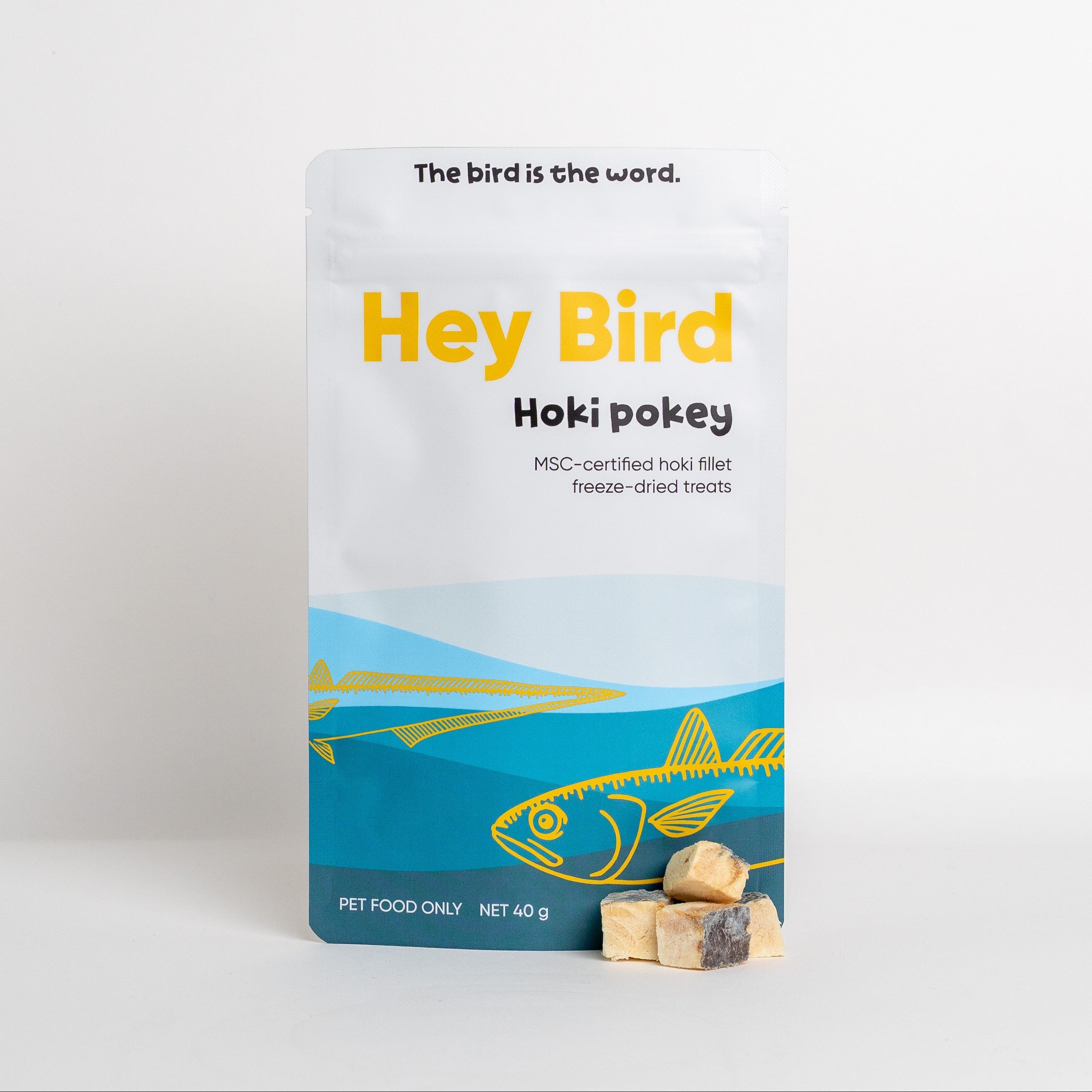
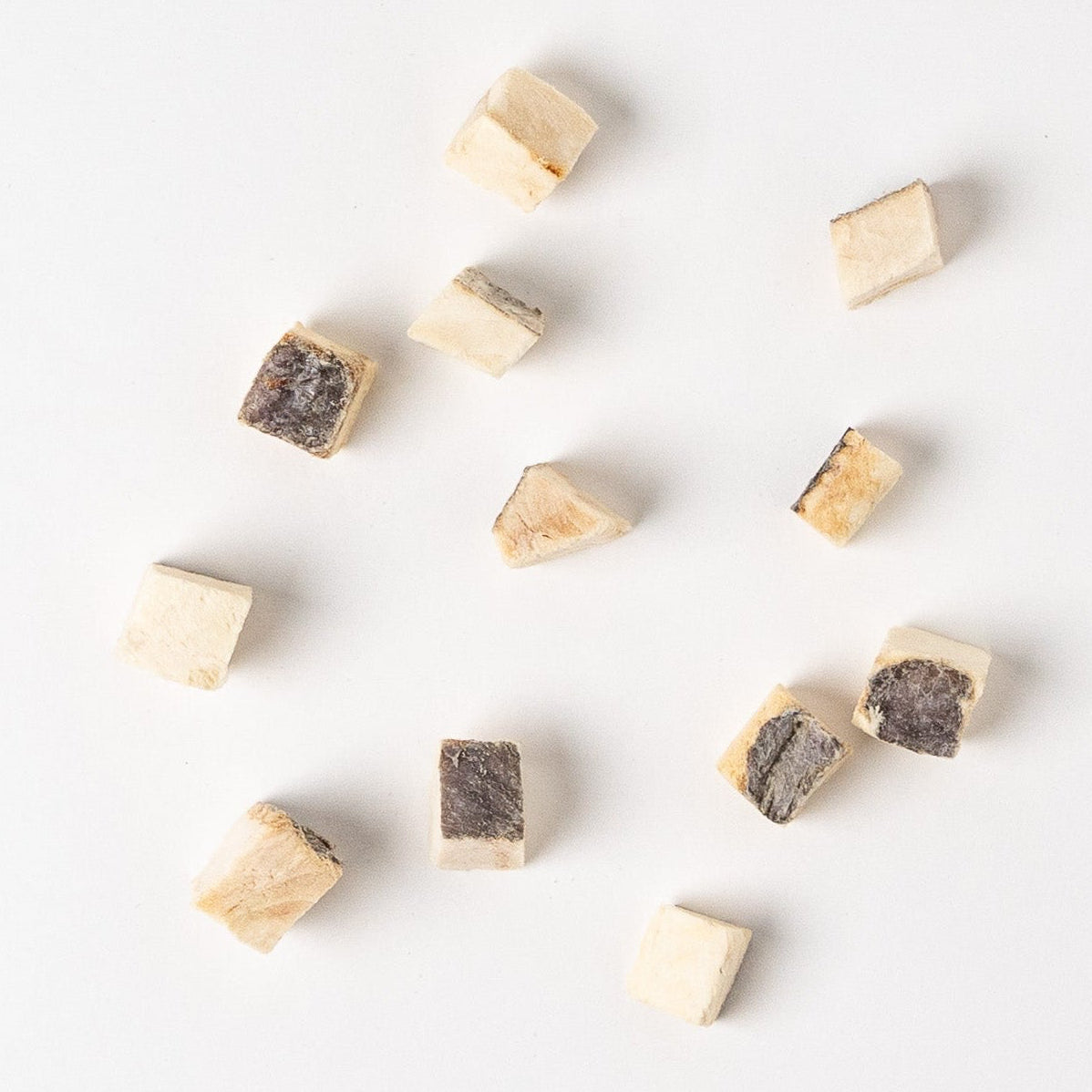
- Freeze-dried hoki or sardines (add 10-20 grams per 1 kg batch of food)
- Marine algae oil (3 x 1000 mg capsules per 1 kg batch of food)
- Blackmores Lyprinol capsules (4 x 500 mg capsules per 1 kg batch of food)
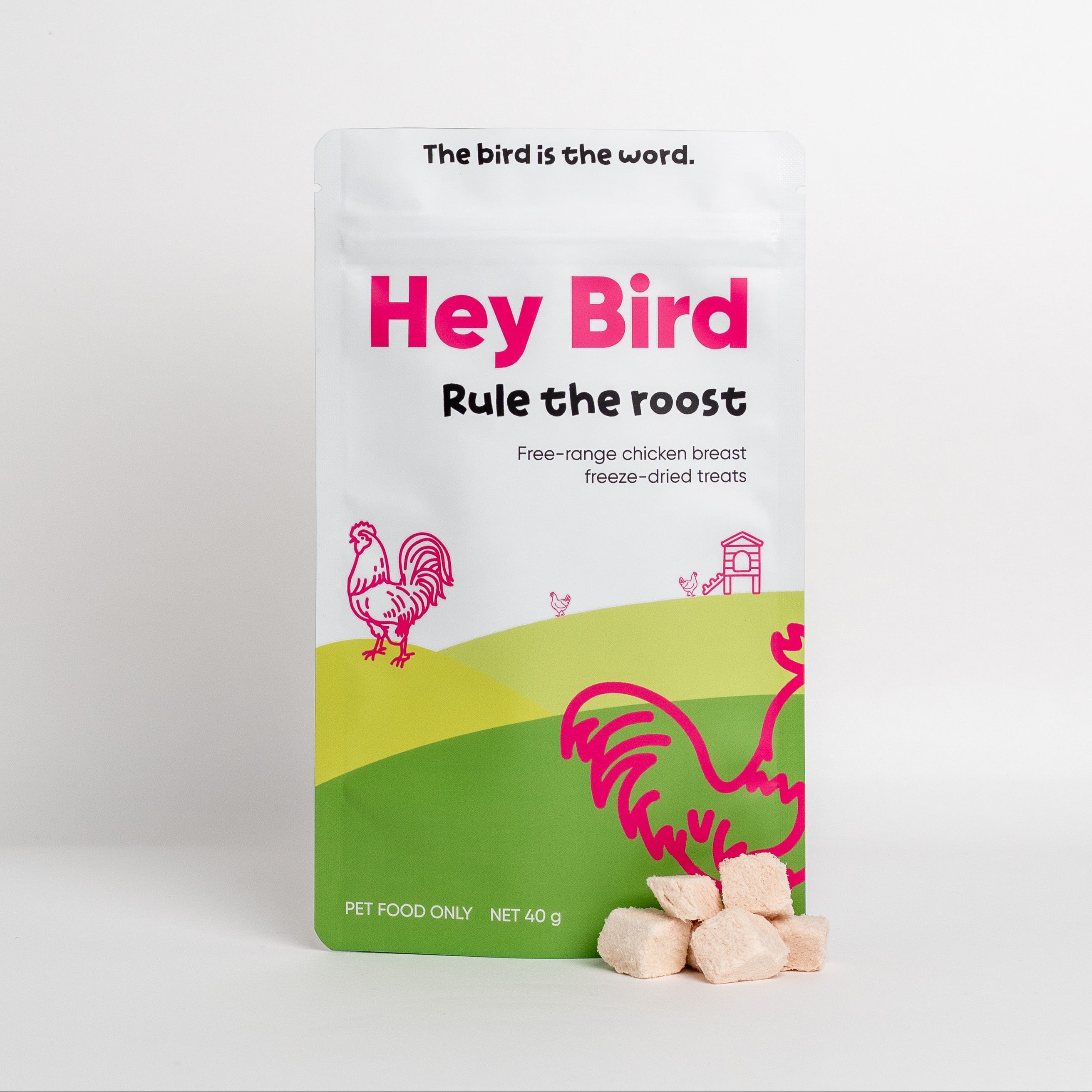
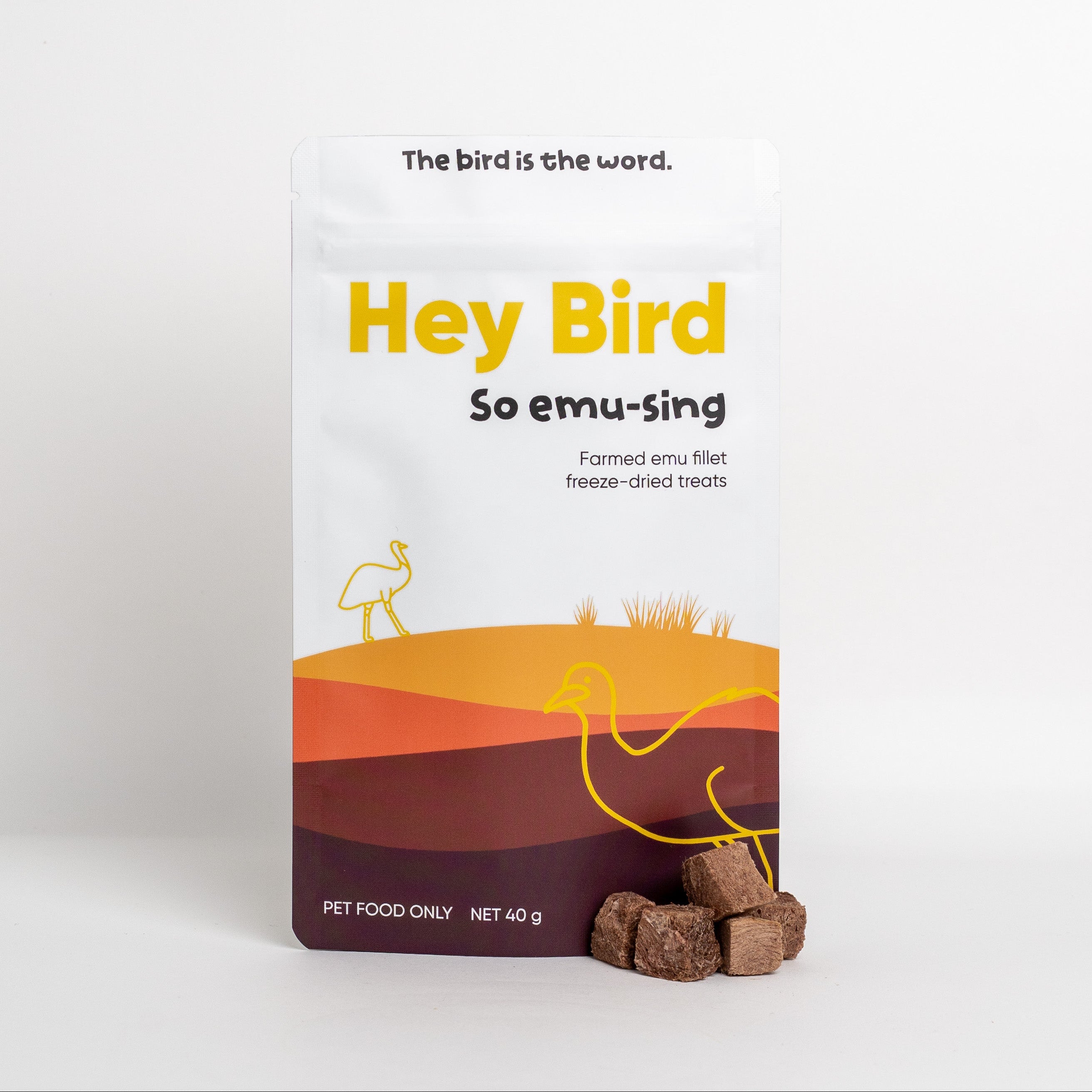
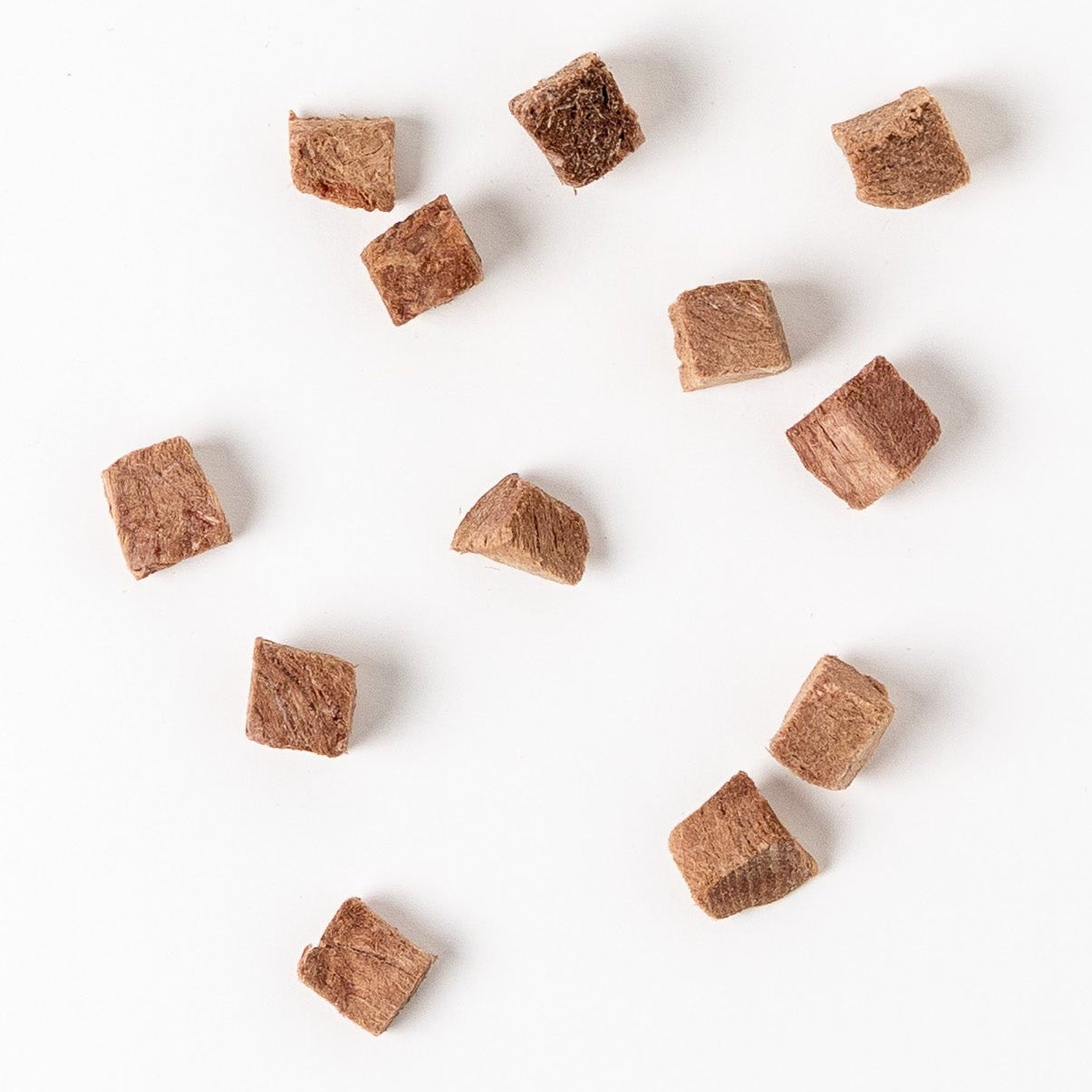
Dogs love our raw high protein treats